

Quick Answer
Natural baby skincare in the UK means simple, gentle products and routines that respect how thin and easily irritated your baby's skin is, especially in the first year. Start with plain-water bathing, add fragrance-free emollients where needed, and avoid harsh surfactants or strong perfumes that can aggravate sensitive or eczema-prone skin.
Build a small routine: short lukewarm baths, pat-drying instead of rubbing, and one or two carefully chosen products. If skin problems persist, spread, become very itchy or show signs of infection, NHS guidance is to speak to a GP, health visitor or dermatologist rather than relying on product changes alone.
You don't need a bathroom full of bottles — a simple routine plus a few well-chosen essentials from trusted ranges (including SHC Family Essentials' baby picks on our <a href="https://www.ebay.co.uk/str/shcfamilyessentials" target="_blank" rel="noopener noreferrer">eBay store</a>) is usually enough to support your baby's skin while you follow professional advice.
Why Your Baby's Skin Is Biologically Different
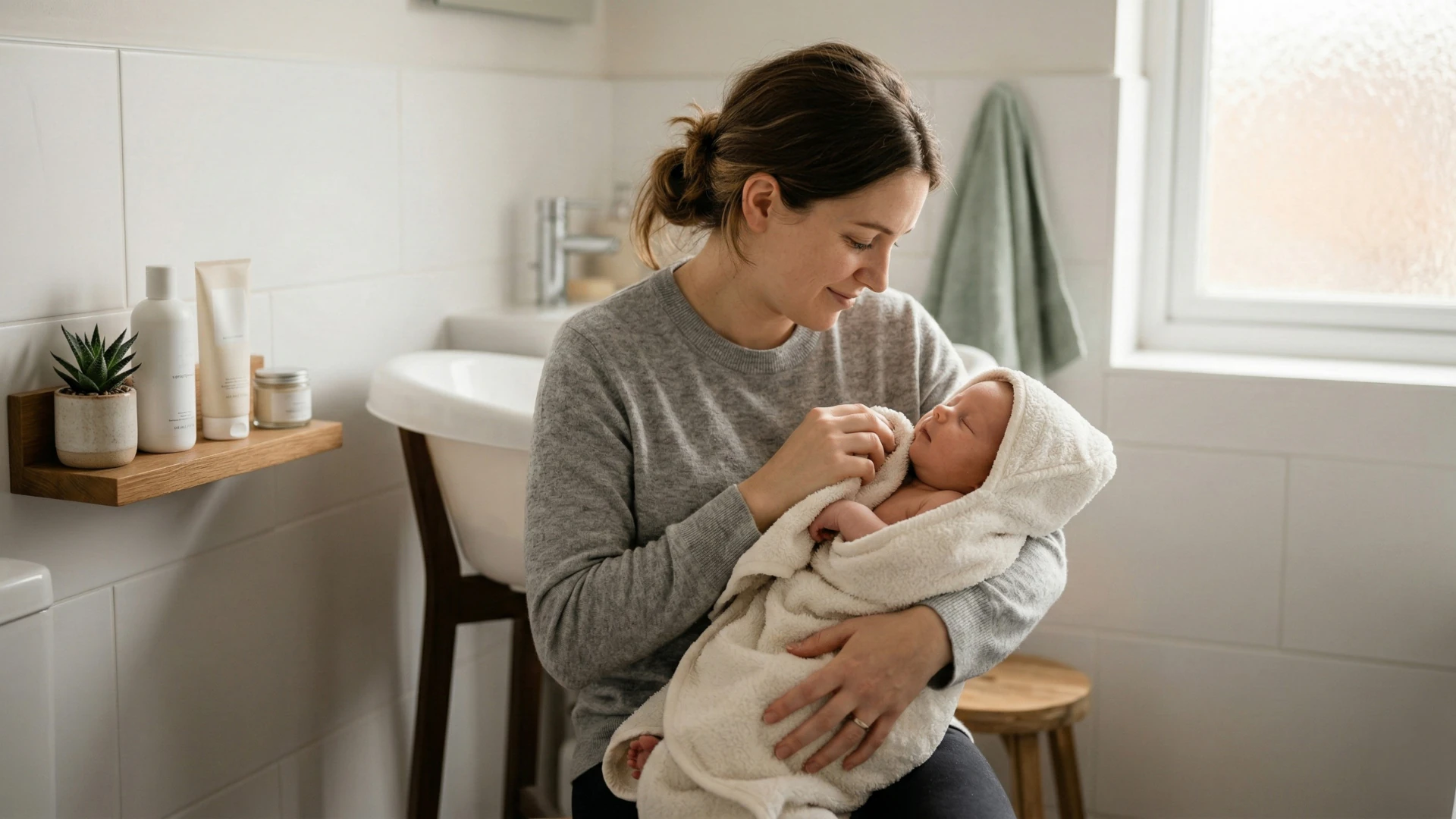
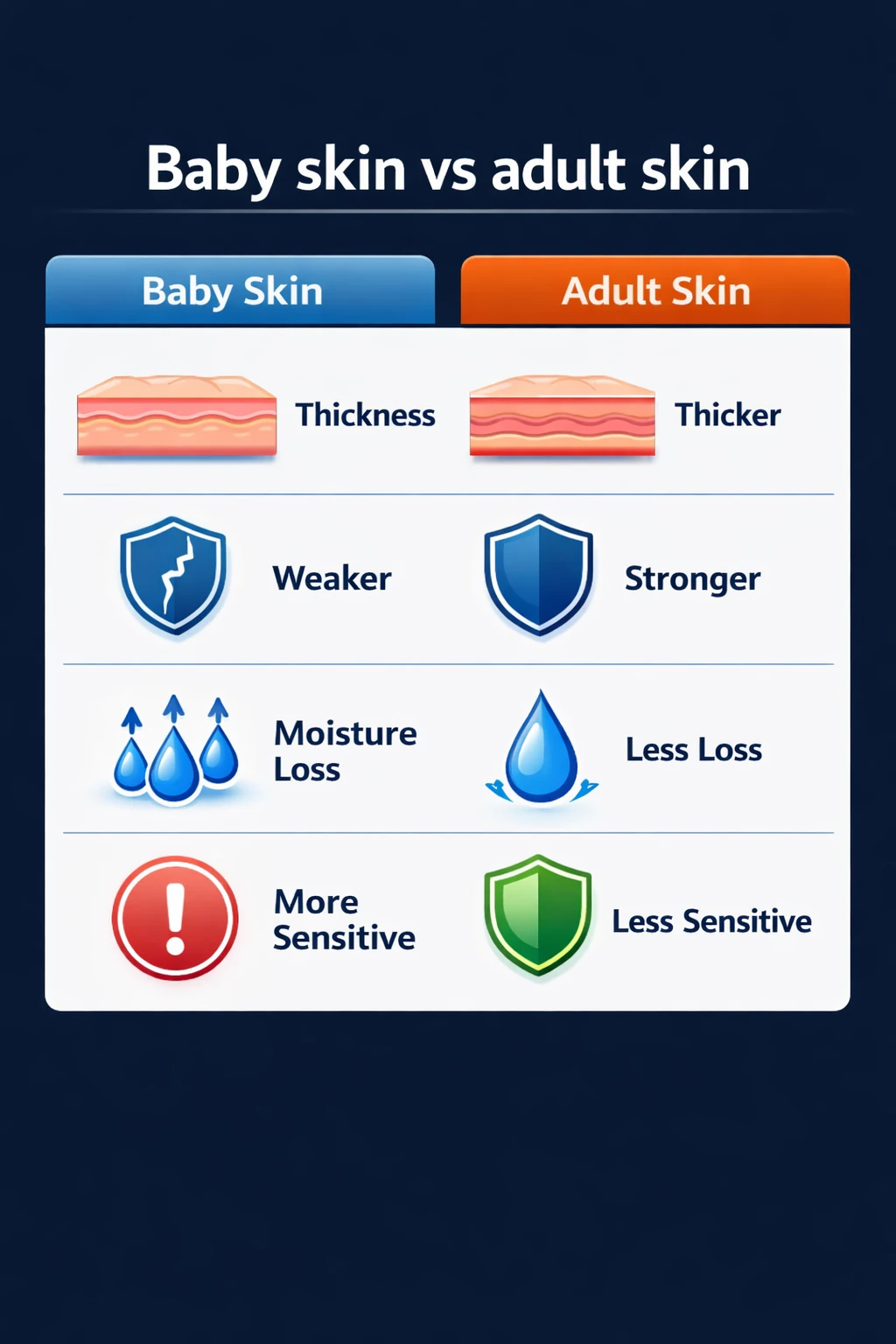
Baby skin is thinner, more easily damaged and still building its protective barrier, so it loses moisture faster and reacts more strongly to soaps, fragrances and friction. That's why many NHS resources suggest keeping things very simple at first, then gradually introducing suitable products as your baby grows.
In the first weeks, NHS guidance notes that newborn skin is immature and that early exposure to products can increase the risk of irritation or eczema, so plain water is usually recommended. Vernix — the white, creamy coating some newborns have — is described as a natural moisturiser and infection barrier that should be left to absorb, not scrubbed away.
As babies get older, some develop dry, flaky or eczema-prone skin, especially with a family history of atopic conditions. UK eczema guidance stresses that emollients form the basis of care and should be used regularly, even when skin looks better, and that perfumed soaps or harsh detergents may aggravate symptoms.
- Thinner top layer than adult skin — more easily damaged and loses moisture quickly.
- Skin barrier still maturing in the first few weeks, especially in premature babies.
- Vernix is a built-in moisturiser and barrier — it's meant to be left to absorb naturally.
- More sensitive to soaps, detergents and rubbing — plain water and pat-drying are usually recommended at first.
The Key Ingredients of Concern in Mainstream Baby Products
Some mainstream baby products contain surfactants, preservatives and fragrances that UK guides link to irritation or allergic reactions in some children, especially those with sensitive or eczema-prone skin. Not every baby will react, but understanding these ingredients helps explain why many parents look for simpler formulas.
"Chemical-free" isn't a scientific term — everything, including water and plant oils, is made of chemicals — so the practical goal is to reduce unnecessary or higher-risk ingredients rather than remove "chemicals" completely.
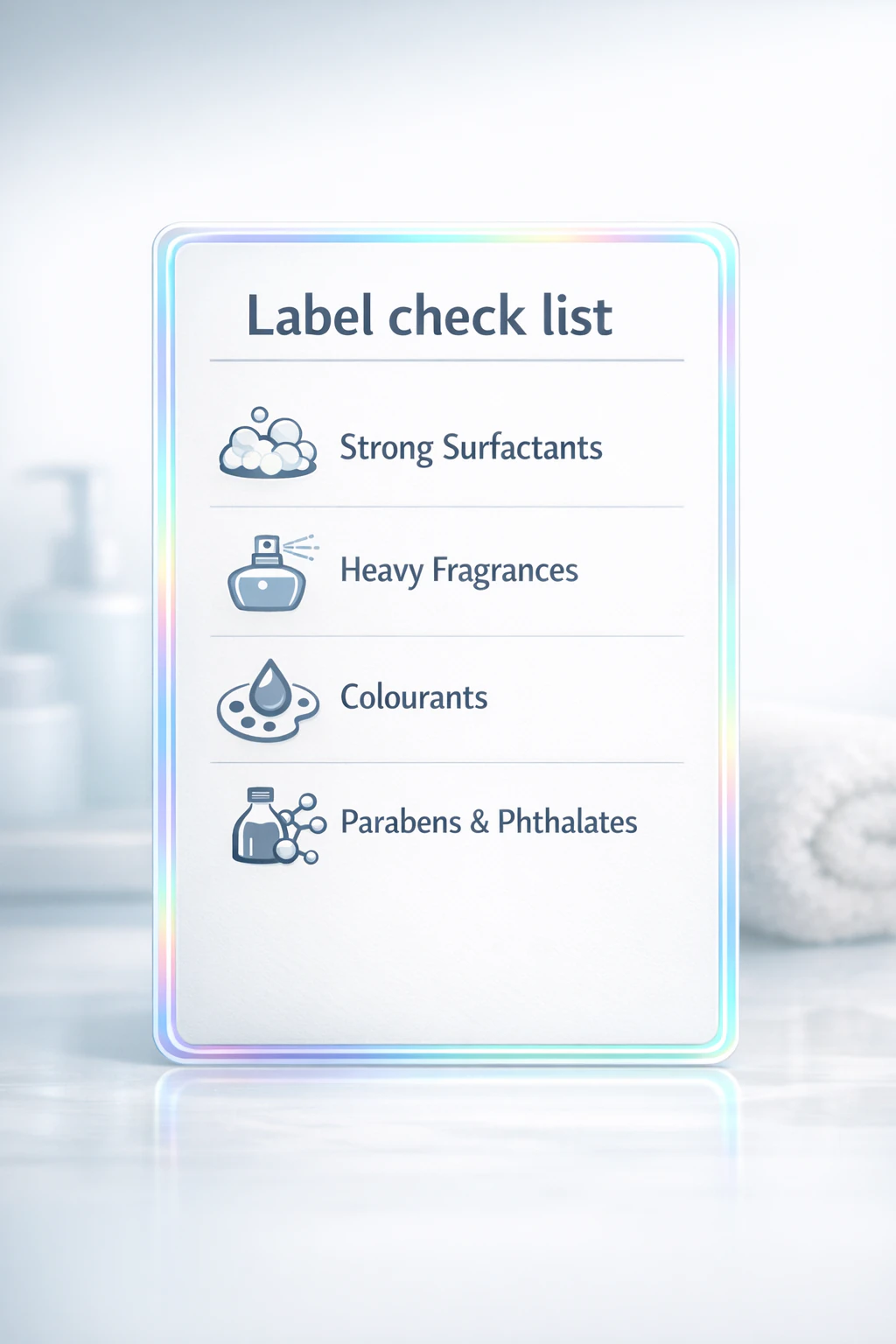
- Strong surfactants (for example, SLS) that can be drying on delicate skin.
- Certain preservatives — some formaldehyde-releasing compounds and isothiazolinones linked with contact allergy.
- Heavy synthetic fragrance blends and colourants, especially in babies with eczema or known allergies.
- Products marketed as "natural" but still heavily perfumed or packed with multiple plant extracts that may irritate some babies.
Natural Baby Skincare Alternatives That Actually Help
For many families, moving towards simpler, fragrance-free and "natural-leaning" formulas fits well with newborn-skin and eczema advice, but the biggest change often comes from the overall routine rather than a single product.
NHS-linked resources usually start with plain-water bathing only for the first few weeks and stress gentle handling: lukewarm baths, short soaks and pat-drying. Natural doesn't automatically mean non-irritating; some children react to essential oils, nut-derived ingredients or particular botanicals even when products are marketed as gentle.
- Swap perfumed bubble baths for plain water baths plus an emollient or soap substitute if your healthcare professional recommends one.
- Choose a fragrance-free baby lotion or emollient labelled as suitable for eczema-prone skin if moisturising is advised.
- Look for short ingredient lists and avoid strong foaming agents and colourants where you can.
- Patch-test any new "natural" product on a small area for several days before using it more widely.
How to Read Baby Product Labels Like a UK Pro
Baby product labels can feel like a chemistry exam, but you don't need to decode every ingredient to make better choices — a few patterns are enough. Think of each bottle as answering three questions: "What is this supposed to do?", "What is it using to do that?", and "Is there anything here I already want to minimise for my baby?"
When you scan the back of the bottle, it often helps to look first for what's <em>not</em> there — "fragrance-free", "colourant-free", "soap-free" — and then do a quick pass for any names you've identified as ones to limit.
- Step 1 — Claims check: Is it clearly labelled fragrance-free, colourant-free or suitable for eczema-prone skin?
- Step 2 — Surfactant scan: Does it rely on strong foaming agents you'd rather avoid, or gentler cleansers in a low-foam formula?
- Step 3 — Extras audit: Are there lots of perfumes, essential oils or botanical extracts that might irritate sensitive skin?
- Step 4 — Sanity check: Could you explain in one sentence why you're comfortable trying this on your baby?
Building a Simple Natural Baby Skincare Routine
A natural-leaning baby skincare routine is about a few simple steps you can repeat without stress, not a long list of products. The aim is to keep skin comfortable and clean while following NHS-style advice and any eczema plan agreed with your healthcare professional.
In practice, your "natural routine" is often more about habits than shopping: pat-drying, moisturising at roughly the same time each day if advised, and noticing early dryness or rough patches so you can act before things escalate.
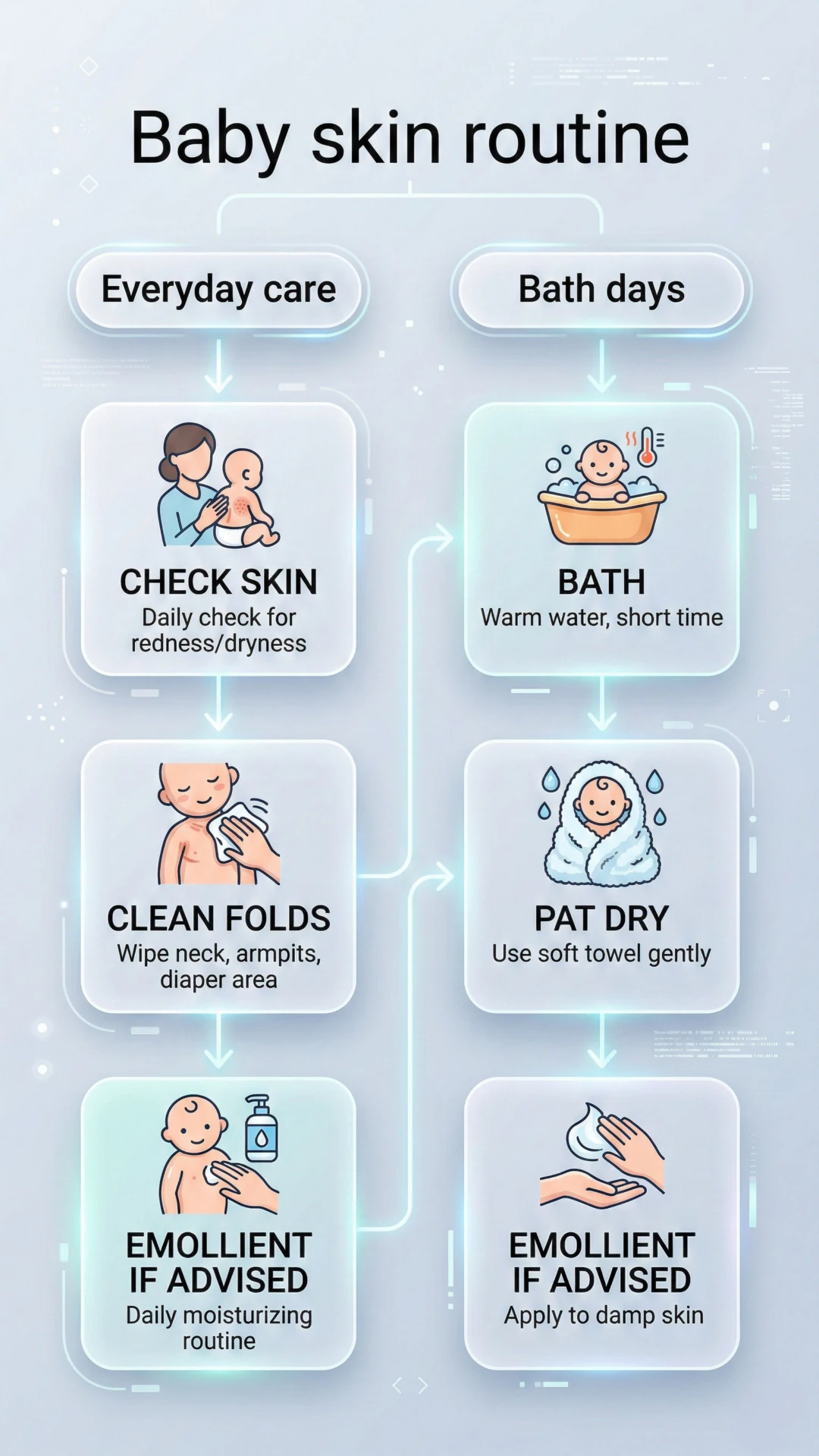
- Morning: Quick check of skin folds (neck, behind ears, groin); wipe with plain water if needed and pat dry.
- Bath days: Short lukewarm bath using plain water, or a baby-appropriate cleanser/emollient wash if your healthcare professional has recommended one; no harsh scrubbing.
- After bath: Pat dry, then apply a suitable emollient or gentle moisturiser if advised for dry or eczema-prone skin.
- Ongoing: Watch for persistent redness, oozing, swelling or your baby being very distressed about itching — seek medical advice promptly if you're concerned.
UK-Suitable Natural Baby Products and Kit Ideas
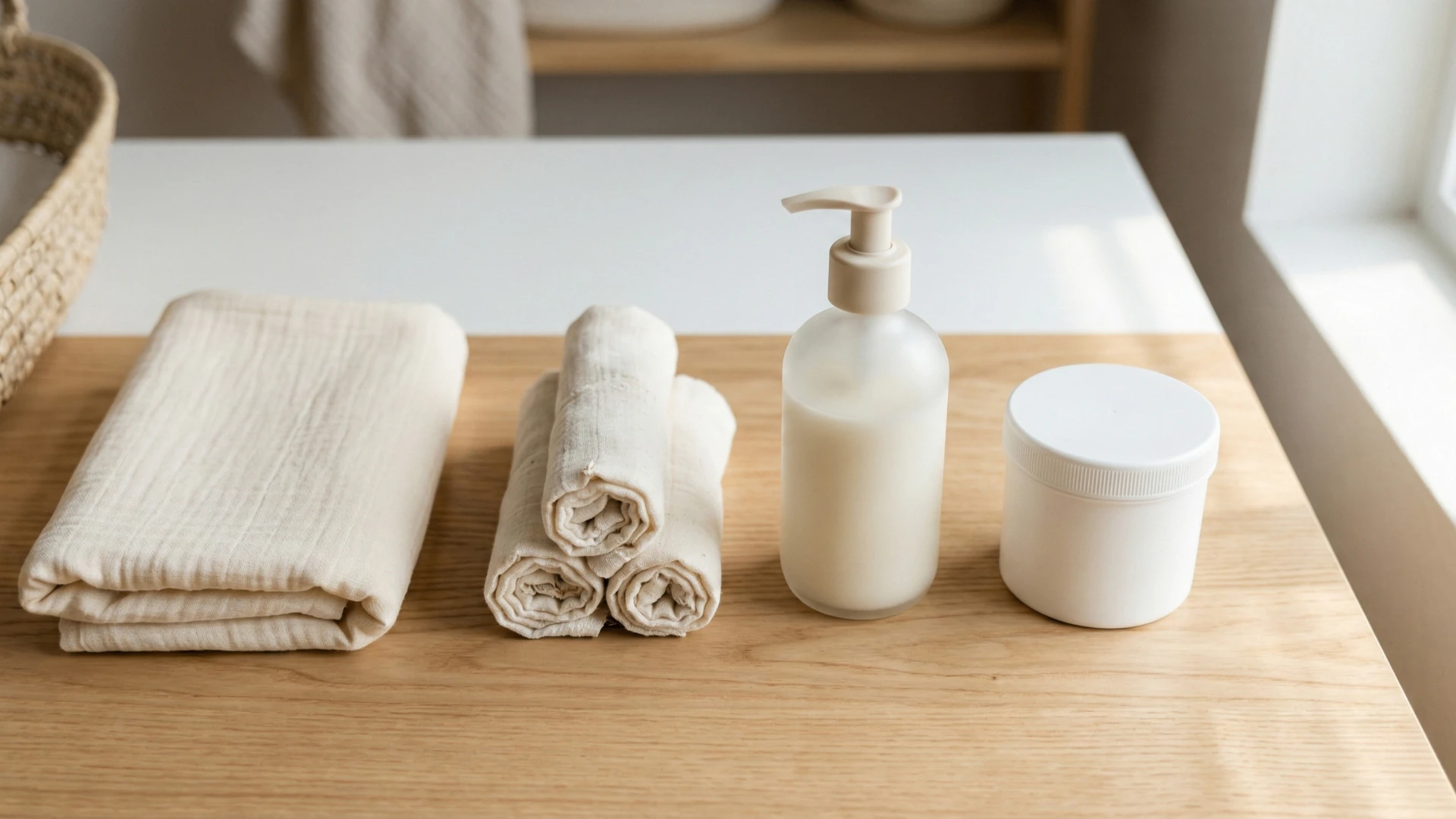
In my own house, the biggest change wasn't buying a whole shelf of "natural" products; it was trimming things back to a small kit that really supported our routine. A gentle, fragrance-free wash, a reliable emollient or moisturiser and a few smart accessories (like soft cotton cloths and a washable changing mat cover) did more for comfort than any complicated regime.
You're essentially "hiring" each product to do a job: a wash that cleans without stripping oils, a moisturiser that helps keep dryness at bay when recommended, and accessories that make it easy to keep skin folds clean and dry.
- Gentle wash / soap substitute: Cleans without heavy perfume or harsh foaming; will not treat infections or severe eczema.
- Emollient or moisturiser: Helps support the skin barrier and reduce dryness where recommended; should be part of a wider eczema plan if needed.
- Soft cloths and pads: Make top-and-tailing and pat-drying easier and kinder to delicate skin.
- Washable mats and covers: Help keep nappy-changing surfaces clean and dry, reducing residue and friction against your baby's skin.
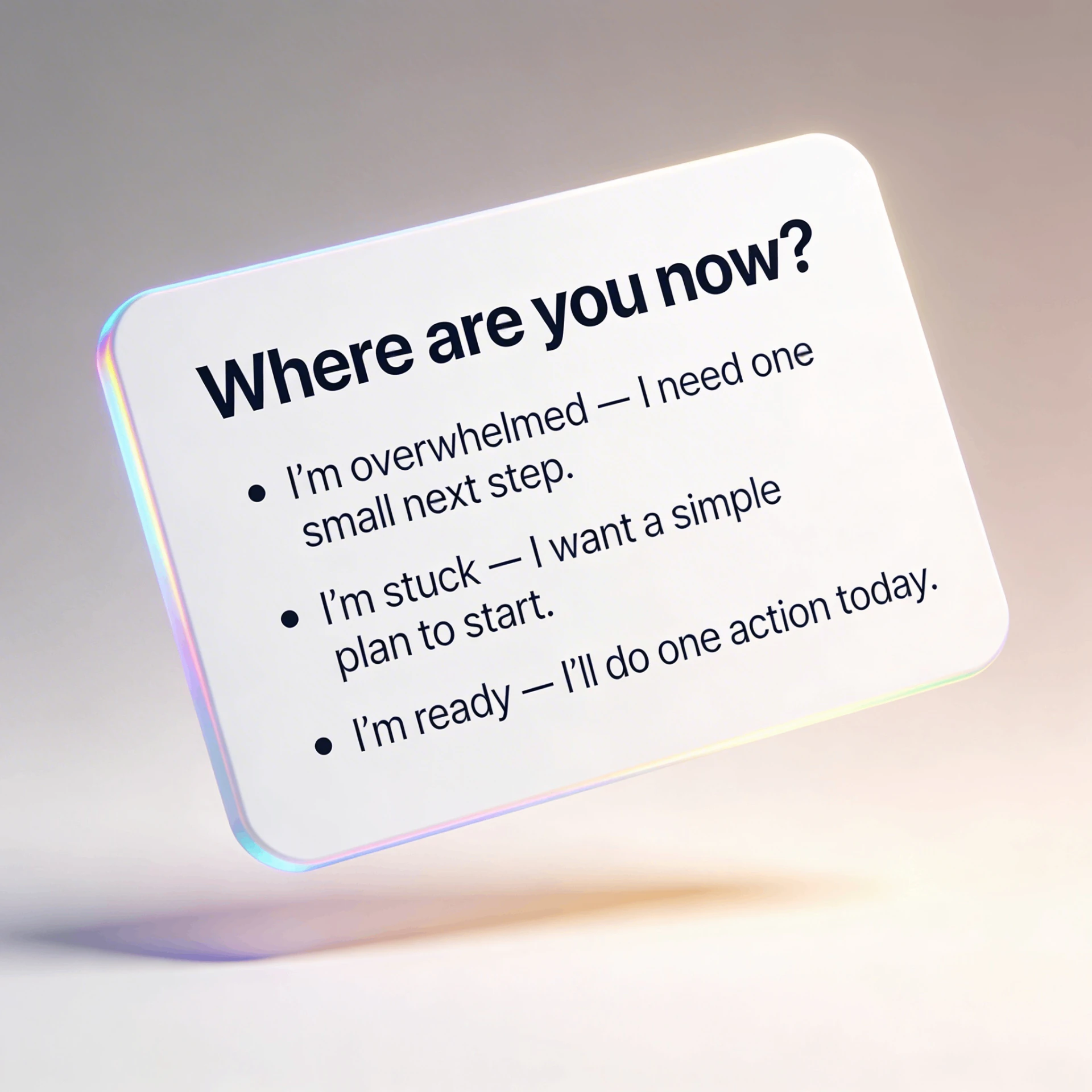
Quick Check — Where Are You Now?
Take a moment to notice which sounds most like you today. There's no right or wrong answer; your reply simply shows you where to focus first — whether that's simplifying your routine, tightening ingredient choices, or making sure your home kit supports the plan your healthcare professional has put in place.
- "I'm still using whatever was on offer and just hoping my baby's skin stays happy."
- "We've had some rashes or dry patches, and I feel guilty every time I open a new bottle."
- "We're under GP or dermatology care, but I'm still confused about what to use day to day."
When to Speak to a GP, Health Visitor or Dermatologist
There's a big difference between mild, temporary dryness and the kind of eczema or rash that needs medical attention. UK guidance is clear that persistent, severe or suddenly worsening skin problems should be assessed by a professional. No natural product, however gentle, should be used as a substitute for appropriate medical care.
Your home routine and product choices are one piece of the puzzle; they sit alongside regular checks and honest conversations with your GP or health visitor. Keeping a simple log of what you've tried, when flares happen, and what seems to soothe or irritate can make appointments more productive.
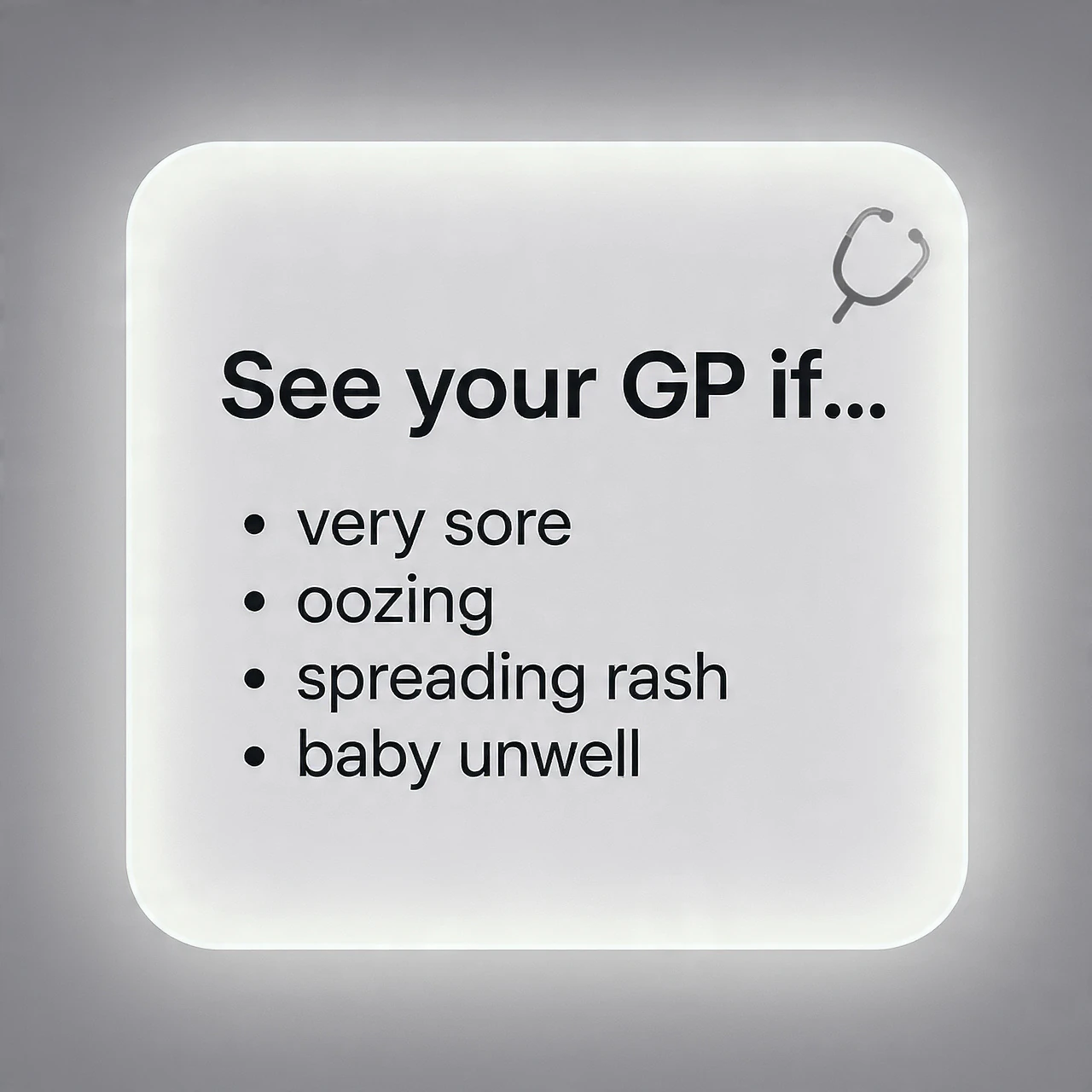
- Skin is very red, hot, swollen, oozing or crusty, or your baby seems unwell or has a fever.
- Eczema or rashes stay severe despite regular emollient use and following the plan you were given.
- New rashes appear quickly and spread, or you're worried about patterns your local NHS guidance lists as red flags.
- You feel unsure, overwhelmed or out of your depth — it's always reasonable to ask for help rather than trying "just one more product".
Frequently Asked Questions
Is natural baby skincare always safer than regular products?
Not necessarily; "natural" isn't a guarantee that a product will suit every baby, and some plant-based ingredients can still irritate sensitive or eczema-prone skin. What matters most is how your baby's skin responds and whether the product aligns with medical advice, rather than the label alone.
What ingredients should I avoid in baby lotions and washes?
Many UK guides suggest limiting strong foaming agents like SLS, heavy synthetic fragrances, colourants and certain formaldehyde-releasing preservatives or isothiazolinones, particularly for babies with dry or atopic skin. If your baby has eczema or allergies, ask your healthcare professional which ingredients to prioritise avoiding.
Can natural baby products cure my baby's eczema?
No; eczema is a medical condition, and national guidance makes clear that emollients and other treatments should be planned with a healthcare professional, not replaced by over-the-counter products alone. Gentle, natural-leaning products may support comfort as part of that plan, but they are not a cure and should never delay seeking medical advice.
How quickly should I see a difference after switching products?
Some parents notice small improvements in comfort or dryness within days of changing products or routines, but there is no guaranteed timeline and responses vary widely. If problems persist, worsen or cause your baby significant distress, UK guidance recommends going back to your GP or health visitor rather than repeatedly switching brands.
Can I use my own moisturiser or "natural" oil on my baby?
Adult products, even "natural" ones, may contain fragrances, essential oils or active ingredients that aren't appropriate for baby skin, especially under 12 months. It's safer to choose products formulated and labelled for babies and to check with your healthcare professional before using oils or creams not specifically designed for infants.
How often should I bathe my baby if they have sensitive skin?
NHS advice suggests babies don't necessarily need daily baths and that short, lukewarm baths with plain water are usually enough in the early months. For babies with eczema, guidance also emphasises regular emollient use and avoiding very hot water or harsh soaps, with frequency tailored to your baby's needs and professional advice.
Conclusion — A Gentler Way to Care for Baby Skin
Natural baby skincare in the UK isn't about chasing perfection; it's about understanding why your baby's skin needs gentle handling and choosing products and routines that respect that. When you pair simple habits — like short lukewarm baths, pat-drying and regular emollient use where advised — with ingredient choices you feel comfortable with, you're already doing a lot for your baby's comfort.
You don't need to solve everything overnight, especially if you're juggling sleepless nights and endless laundry. Start small: tighten one part of your routine this week, keep notes on what seems to help and check in with your GP or health visitor if you're worried, rather than carrying that worry alone.
When you're ready to add or swap kit, you can explore SHC Family Essentials' baby-care picks on our <a href="https://www.ebay.co.uk/str/shcfamilyessentials" target="_blank" rel="noopener noreferrer">eBay store</a>, knowing they've been chosen to support the kind of gentle, realistic routine described here — never to replace professional care.
Ready to Build a Gentler Routine?
Explore SHC Family Essentials' carefully chosen baby-care picks on our eBay store — soft cloths, washable mats and routine-friendly accessories chosen to support the kind of gentle routine described here.
Shop Baby Essentials Subscribe to our blog for more weekly tips on baby care, safety, and family life.