
Exact delivery terms on eBayEveryday essentials, selected with careNeed help? Talk to us
A minimum viable routine before a home gym

Home fitness products for real spaces and routines

Choose equipment around a repeatable activity, the space you actually have and the supported limits you can verify. This guide helps UK beginners and re-starters reduce aspirational overbuying without making weight-loss, rehabilitation, pain-relief or health-outcome promises.

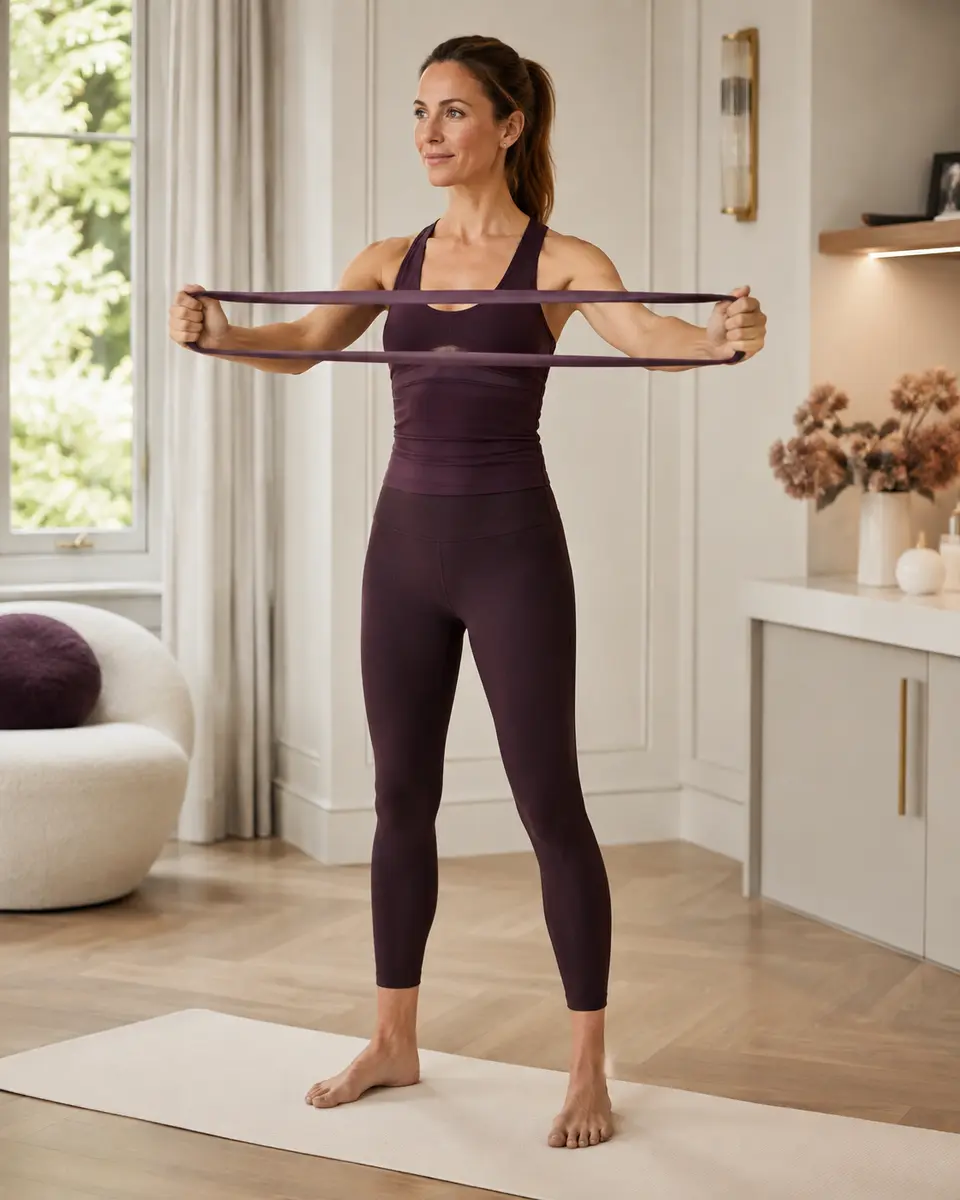
Woman exercising with a resistance band in a refined home wellness room
Need-first selection

Products for this range are being selected

Use the buying guide while this range is prepared. We will only show products here when their details are ready to check.

Start the buying guide
Product shelf reserved

The Fitness product shelf is being prepared

No product is presented as available in this range today. The product shelf is ready and will populate automatically after a verified item passes the SHC publication checks.

Reserved Fitness product shelf with a home-workout editVerified products will appear here
Category decision guide

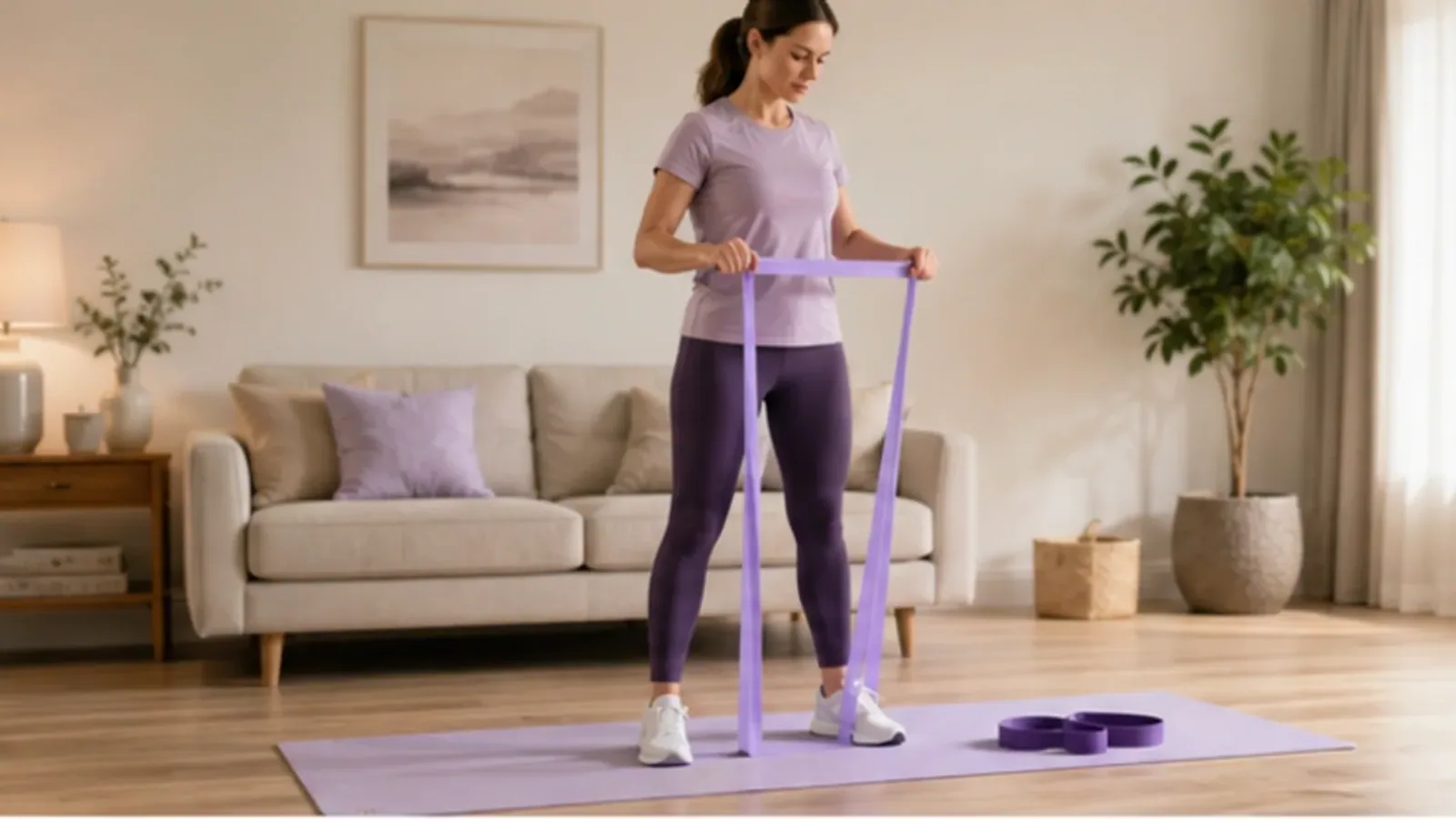
Start with a routine you can repeat

A minimum viable routine makes the product answer to behaviour already planned, not aspiration alone.
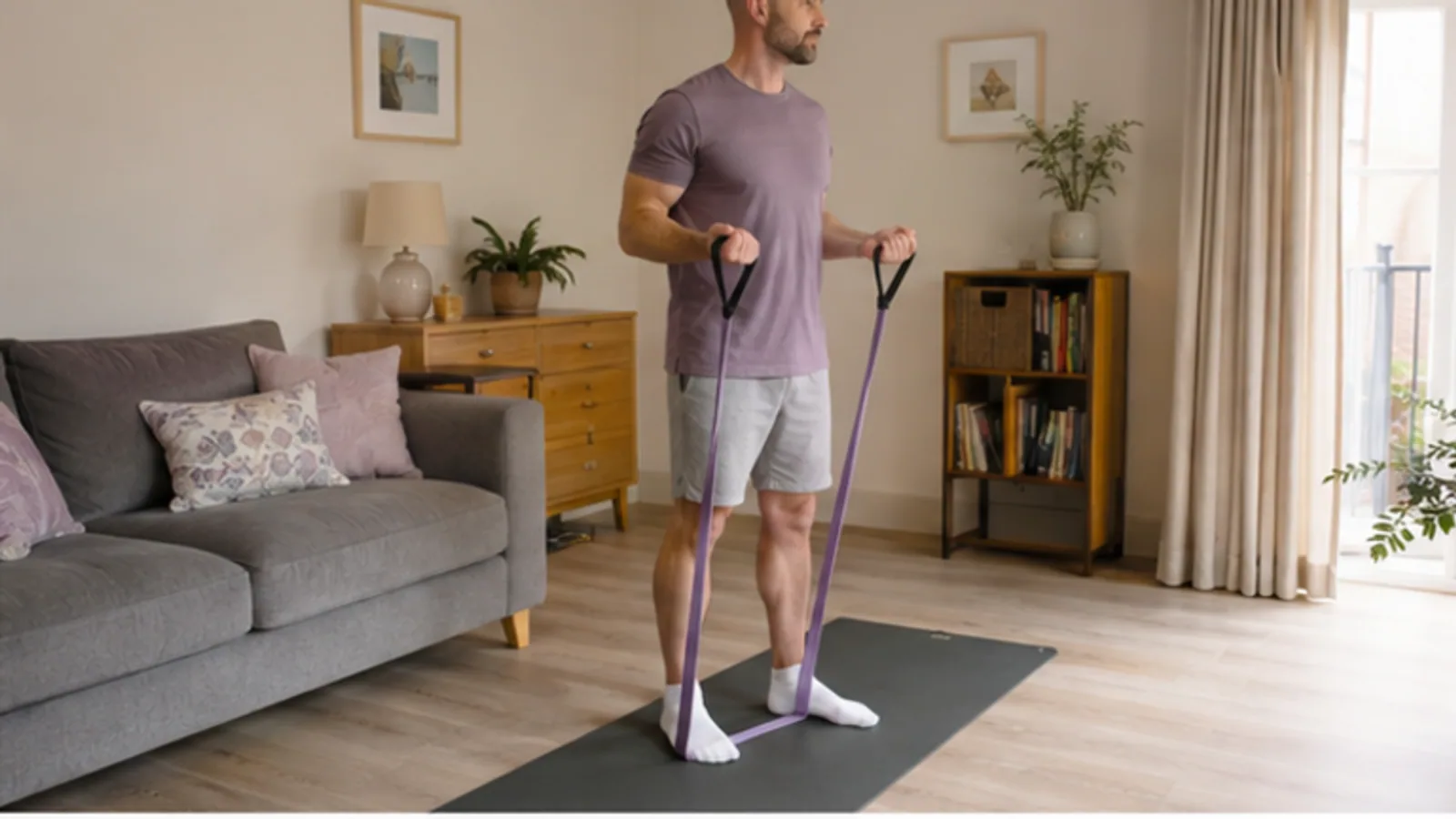
Get Fit at Home decision guide, chapter 1 — visual context for Start with a routine you can repeat

Your Practical Checks

Define Repeatable Activity

See practical details

What should come before choosing a home fitness product?

Define one activity you are willing and able to repeat in a real week. A product can support that activity, but it cannot guarantee motivation, fitness, weight change, recovery or any health result. Starting with a realistic routine helps you assess whether equipment removes a practical barrier or simply represents an ideal plan that has no time or place yet.

  • The product is being chosen before a specific activity or session exists.
  • The imagined routine depends on more time than the week normally provides.
  • Current ability, previous experience or professional restrictions are being ignored.
  • Buying equipment is being treated as the same thing as using it consistently.

A minimum viable routine makes the product answer to behaviour already planned, not aspiration alone.

Plan Practical Setup

See practical details

What makes a starting routine practical enough to guide a purchase?

Keep it small and specific: name the activity, likely frequency, session window, location and setup. Identify your current familiarity and any instruction or professional input you need before starting. Then ask what a product would change—resistance, support, organisation, variety or convenience—and whether a simpler option already allows the routine to begin.

  1. Choose one activity and describe what a basic session would contain.
  2. Place it in a likely day, time window and room without using an ideal week.
  3. State current experience and seek appropriate advice when health or injury is relevant.
  4. Name the practical barrier the product is expected to reduce.
  5. Compare buying now with beginning through equipment already available.

The routine now provides a clear job description for any equipment you compare.

How do you recognise a useful routine-product match?

You know when and where the product will be used, how it enters the session and what must happen afterwards. The item supports an activity appropriate to your present situation without being sold as a result. If the routine remains vague, pausing is a valid decision. If it is clear, specifications and limits can be assessed against a real use.

  • One repeatable activity comes before a collection of equipment.
  • The product has a specific role inside the planned session.
  • Setup and clearing away fit the available time.
  • Health or rehabilitation questions remain with an appropriate qualified professional.
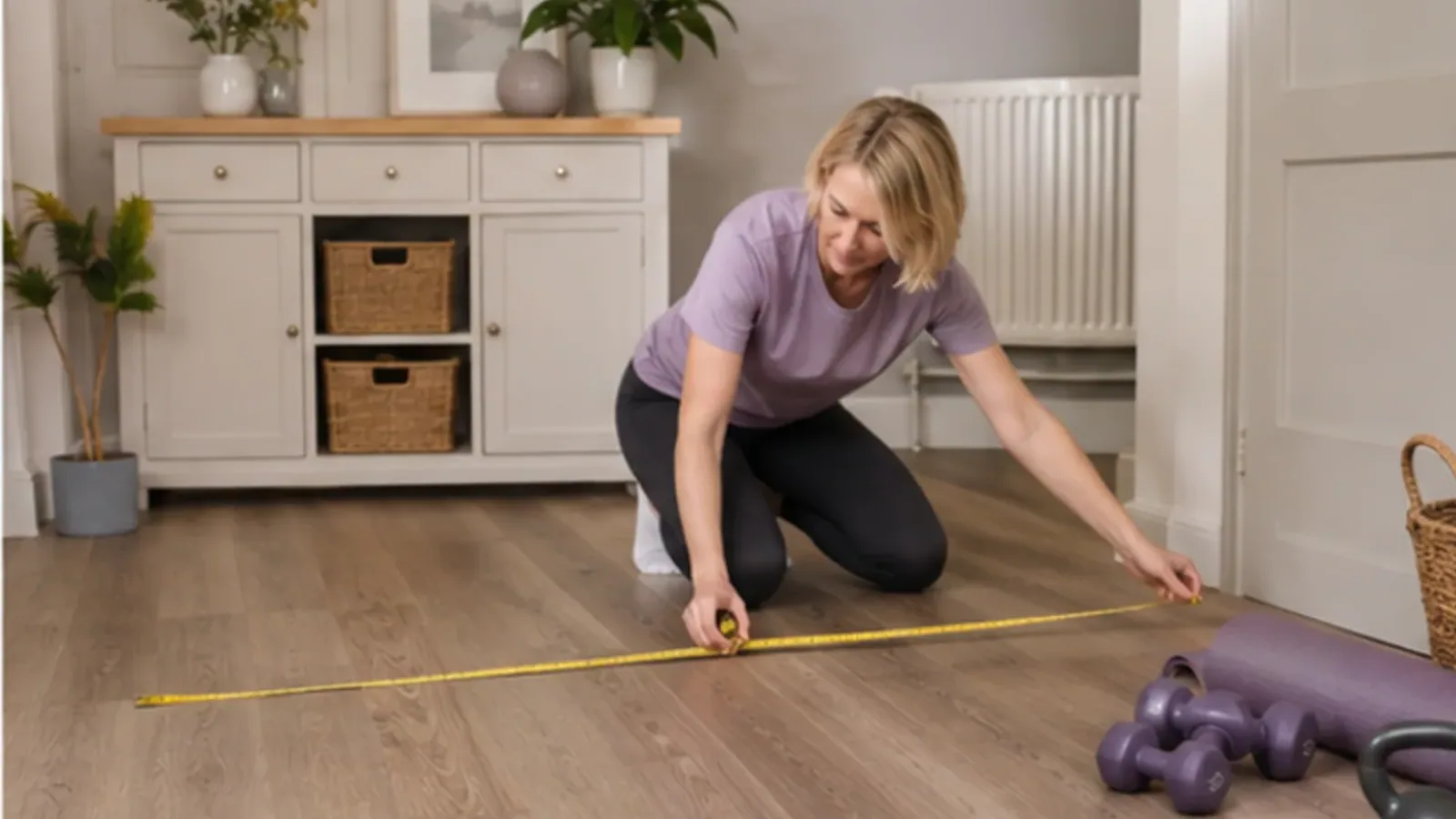
A purchase connected to action

Bring this minimum viable routine back when Fitness products are published; it will make every feature easier to accept, reject or postpone.

Browse the complete SHC catalogue
Category decision guide

Measure your workout and storage space

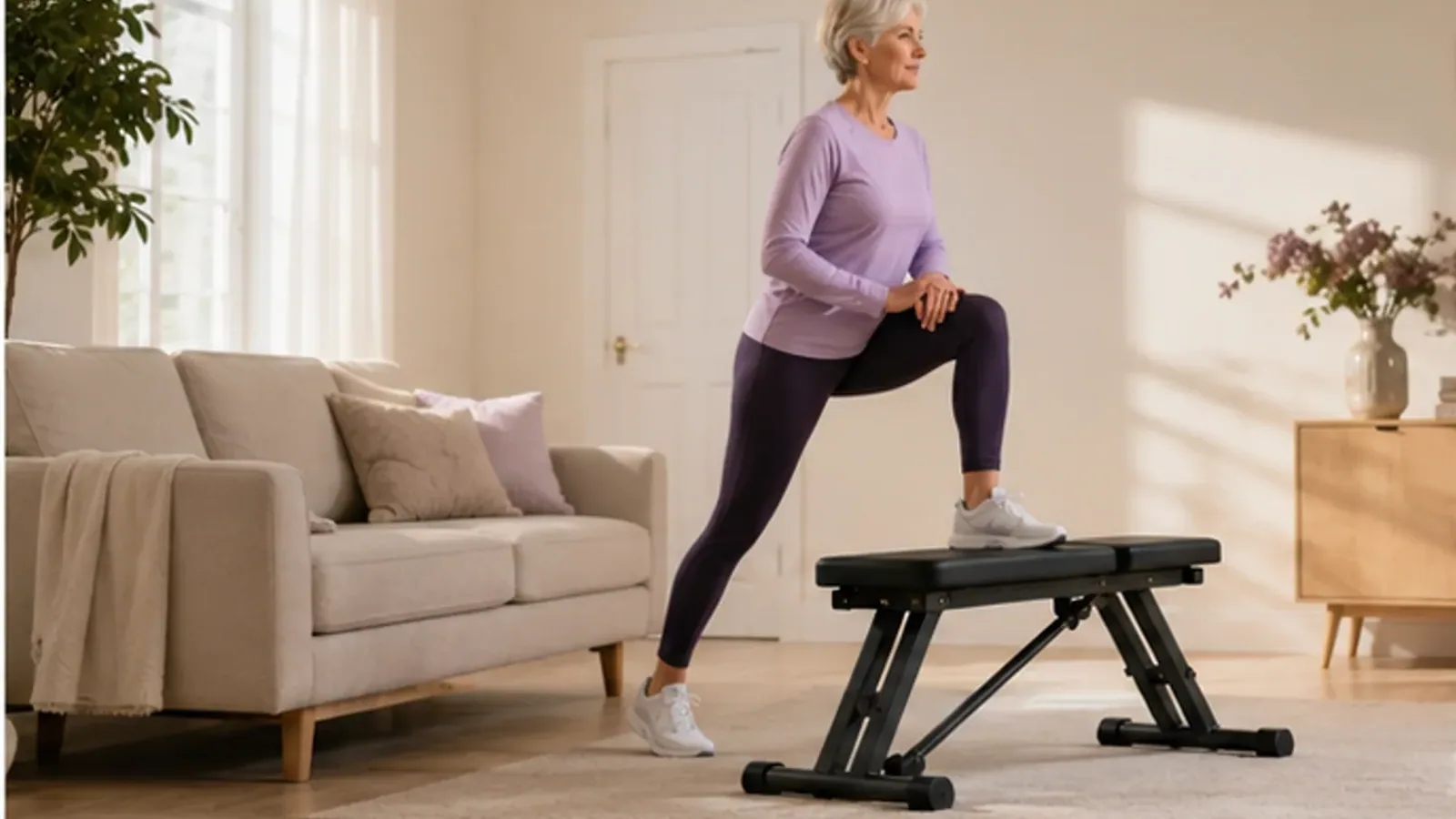
Map use, access and storage as three different footprints before browsing equipment by size.

Get Fit at Home decision guide, chapter 2 — visual context for Measure your workout and storage space

Your Practical Checks

Measure Workout Area

See practical details

Why can a product fit the room but not the workout?

Equipment may fit when still yet leave too little room for movement, access, adjustment or safe setup. It can also conflict with furniture, flooring, shared walls, children, pets or household routes. Storage adds another size: folded, disassembled or left ready. Measure the complete use footprint rather than relying on product width or a staged photograph.

  • Only the equipment dimensions are measured, not the user’s movement area.
  • Doors, walkways, furniture or other people overlap the planned position.
  • Floor protection, vibration, noise or stability has not been considered.
  • The stored product has no realistic place between sessions.

Map use, access and storage as three different footprints before browsing equipment by size.

Plan Product Storage

See practical details

Which measurements make a home-fitness setup more realistic?

Start with the equipment’s assembled dimensions, then add the clearance needed to get on, off, adjust and complete the intended movement. Mark cable routes and any area that must remain clear. Finally, measure the storage state you will actually use. Include the floor surface, nearby objects and likely disruption to other household routines.

  1. Measure the product position and the full movement area around it.
  2. Check access for setup, adjustment, safe entry and exit.
  3. Review flooring, stability, cable, ventilation and noise considerations where relevant.
  4. Plan how the space remains separate from children, pets and household traffic.
  5. Measure the folded, stored or assembled state that will exist between uses.

The three-footprint plan shows whether the home can support both exercise and ordinary life.

What should the finished space plan allow you to decide?

You should know whether the intended movement can happen without improvised clearance, whether setup is stable and whether the item can be stored without blocking the next session or another household need. The plan does not certify safety. It gives you better questions for the exact product instructions and makes unsuitable dimensions visible before delivery.

  • Movement clearance is measured alongside the product footprint.
  • The position respects household access and shared-space demands.
  • Storage does not rely on lifting, folding or disassembly you will avoid.
  • Exact setup and surface requirements remain subject to the product instructions.
A setup that can stay usable

Keep the measurements—not a general idea of a spare corner—beside you when future SHC Fitness product pages show exact dimensions.

See how SHC presents product evidence
Category decision guide

Choose equipment that can progress with you

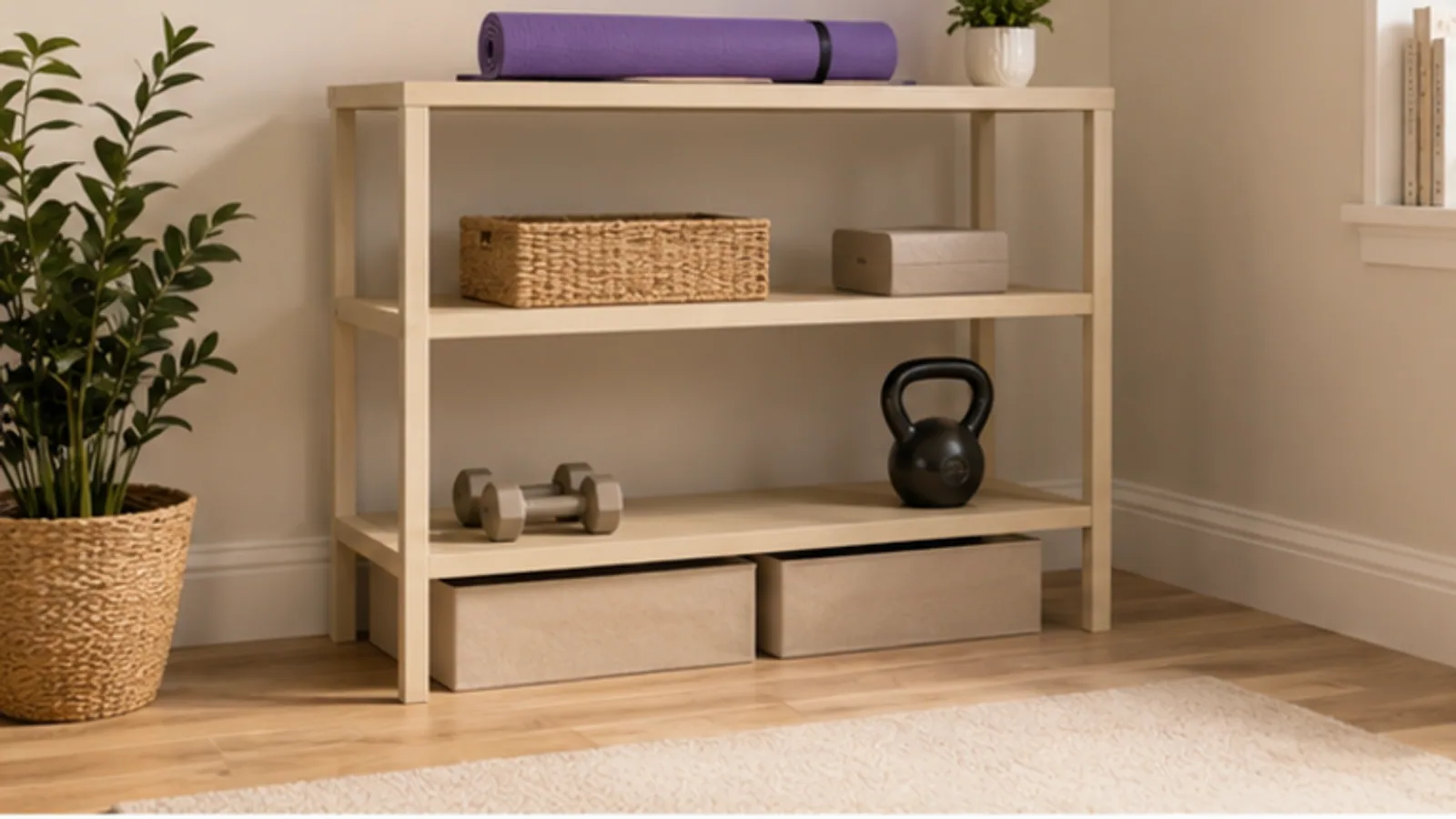
Select a workable starting point first, then inspect the supported path for changing the activity.

Get Fit at Home decision guide, chapter 3 — visual context for Choose equipment that can progress with you

Your Practical Checks

Check Starting Point

See practical details

Should you buy for the hardest version of a future routine?

Not necessarily. Equipment should provide a suitable starting use and a supported way to adjust as familiarity changes. Buying far beyond present needs may increase cost, size and complexity without improving the first session. Progression can mean changes in resistance, range, duration, movement choice or setup, but only within the product’s design and your appropriate use.

  • The starting setting is still too demanding or unclear for present use.
  • Advanced features add complexity without a planned place in the routine.
  • A wide adjustment range is assumed without checking how it works.
  • Progress is described as a guaranteed physical result rather than a change in use.

Select a workable starting point first, then inspect the supported path for changing the activity.

Confirm Supported Limits

See practical details

How can progression be assessed without health or performance promises?

For each product, identify the simplest supported use, the mechanism that changes difficulty or variety and the maximum limits stated by the manufacturer. Check whether adjustments are clear and practical during a real session. Versatility matters only when several supported uses belong in your routine; a long feature list does not prove that progression will be suitable.

  1. Identify the easiest supported setup relevant to your planned activity.
  2. Confirm how resistance, range, height, angle or configuration is adjusted.
  3. Check user, load, speed or movement limits stated for the exact product.
  4. Choose only the variations you can place in a likely routine.
  5. Seek appropriate professional guidance when exercise suitability is uncertain.

A visible start-adjust-limit path makes versatility concrete and keeps progression inside evidence.

What does useful progression look like in a product decision?

The starting use is accessible, the adjustment method is understood and later variations have a believable purpose. You are not paying mainly for capacity or complexity you cannot use. Most importantly, the product page describes mechanisms and supported limits rather than promising weight loss, pain relief, rehabilitation, muscle gain or another personal outcome.

  • A suitable entry configuration exists for the intended activity.
  • Adjustments can be made and checked according to instructions.
  • Later variations support planned use instead of an abstract advanced goal.
  • Results remain dependent on the person and context, not guaranteed by equipment.
Room to change without overbuying

Use start, adjust and limit as the progression filter when SHC adds Fitness products, then verify every mechanism on the exact page.

Explore all current product fit checks
Category decision guide

Check comfort, setup and supported limits

Turn comfort and stability into exact setup questions instead of assuming the product will adapt.

Get Fit at Home decision guide, chapter 4 — visual context for Check comfort, setup and supported limits

Your Practical Checks

Test Product Setup

See practical details

Which practical facts can make equipment unsuitable despite good features?

Unclear assembly, unstable placement, awkward adjustment, unsuitable contact points, difficult maintenance or unsupported user limits can change the whole experience. Comfort is personal and cannot be guaranteed from a photograph. Product pages should therefore provide the dimensions, settings, materials, instructions and limitations needed to judge whether a trial and setup are reasonable.

  • Assembly or adjustment is required but the process is not understood.
  • User, load or product limits are missing, ambiguous or exceeded.
  • Noise, movement or contact with the floor conflicts with the intended room.
  • Maintenance and condition checks have no place in the ownership plan.

Turn comfort and stability into exact setup questions instead of assuming the product will adapt.

Review Supported Limits

See practical details

What should be confirmed before first use and over time?

Read the exact instructions and confirm all components before assembly. Place the product on the supported surface with the required clearance. Adjust only through the designed mechanism, then check stability and contact before beginning. Retain the instructions, follow maintenance guidance and inspect condition. Stop when parts loosen, damage appears or use falls outside a stated limit.

  1. Confirm contents, tools, assembly sequence and the intended installation surface.
  2. Check dimensions and all stated user, load, range or operating limits.
  3. Set contact points and adjustments according to the instructions before activity.
  4. Observe stability, noise, movement and household impact during early sessions.
  5. Clean, maintain and inspect the product at intervals suited to actual use.

A repeatable setup process protects the routine from guesswork and makes limits visible.

What can a thorough setup review genuinely improve?

It can reveal missing information before purchase and practical problems before a full session. You know the space, assembly, adjustment and maintenance responsibilities, and you have a clear reason to stop if condition changes. It cannot determine medical suitability or guarantee comfort, so pain, injury, pregnancy, rehabilitation or health concerns require appropriate professional input.

  • Setup responsibilities are known before the product arrives.
  • Supported limits are treated as boundaries, not targets to test.
  • Early use checks the real room impact and product condition.
  • Professional advice is sought where ordinary product guidance is not enough.
Category decision guide

Grow the range around useful home routines

A measured range can grow around repeatable routines without turning breadth into a sales claim.

Get Fit at Home decision guide, chapter 5 — visual context for Grow the range around useful home routines

Your Practical Checks

Define Useful Routine

See practical details

What is available in the SHC Fitness category today?

There are no published Fitness product pages in the current SHC catalogue. SHC is preparing the category around real routines and spaces rather than filling it with placeholder products or aspirational imagery presented as stock. This guide remains useful now, and future items will appear only after their supported facts, fit, limitations and catalogue content are ready.

  • No Fitness card is shown without a published product record.
  • Category guidance does not imply equipment is currently in stock.
  • A catalogue page and a verified live eBay offer remain separate states.
  • Future range growth will not be described as a complete home gym.

A measured range can grow around repeatable routines without turning breadth into a sales claim.

Verify Current Offer

See practical details

How will a future Fitness product move into a buying decision?

Start with the minimum viable routine and three-footprint space plan. When a relevant card is published, open its product page to review progression, setup, supported limits and maintenance. Then check its offer state. Exact eBay price, availability, delivery and returns are displayed as current only when the relevant listing has been freshly verified.

  1. Define one repeatable activity and the product’s possible role.
  2. Measure workout, access and storage space before comparing dimensions.
  3. Read the published page for start, adjustment and supported limits.
  4. Follow a verified offer or use the latest-availability route shown.
  5. Confirm final transaction details on the exact eBay listing before purchase.

The route keeps the exercise decision grounded while time-sensitive commerce facts remain current.

What can you do while the Fitness range is being built?

Use the Shop to browse all published SHC pages, check the SHC eBay store for current listings or refine your routine and measurements for a later visit. You do not need to build a complete equipment collection before starting an appropriate activity. When suitability is affected by health, injury or rehabilitation, obtain appropriate qualified guidance before choosing equipment.

  • Shop provides the current catalogue across every category.
  • The eBay store provides current SHC listings when you visit.
  • Your routine and space plan remain ready for future comparisons.
  • Professional guidance takes priority where exercise suitability is uncertain.
A useful next move without pressure

SHC will add Fitness products only when they can support a clear routine, honest limitation and verifiable path—not to create artificial range size.

Explore the complete SHC Shop