

Exact delivery terms on eBayEveryday essentials, selected with careNeed help? Talk to us
Species, size, routine and supervision

Practical pet products for everyday home routines

Start with the animal, the routine and the setting—not an attractive product claim. This guide helps UK pet owners compare practical home essentials by species, size, life stage, temperament, materials and observable use while keeping veterinary and behaviour questions with qualified professionals.

Pet owner spending time with a dog and cat in a calm family living room
Need-first selection

Products for this range are being selected

Use the buying guide while this range is prepared. We will only show products here when their details are ready to check.

Start the buying guide
Product shelf reserved

The Pet product shelf is being prepared

No product is presented as available in this range today. The product shelf is ready and will populate automatically after a verified item passes the SHC publication checks.

Reserved Pet product shelf with an everyday pet-care editVerified products will appear here
Category decision guide

Start with your pet, not the product

A pet-fit profile gives the product a real animal and setting to answer to.

Treat Your Pet decision guide, chapter 1 — visual context for Start with your pet, not the product

Your Practical Checks

Profile Your Pet

See practical details

Why is “for pets” or even “for dogs” too broad?

Species is only the first boundary. Size, life stage, body shape, mobility, temperament, chewing or scratching habits and previous experience can change how an item fits and how it is used. A product that suits one animal may be ignored, damaged or unsuitable for another. Begin with observable traits and the exact routine you want to support.

  • The product image resembles your pet, but dimensions have not been checked.
  • A broad species label is being treated as universal suitability.
  • The pet’s chewing, climbing, hiding or avoidance patterns are not considered.
  • A change in behaviour or health is being treated as a shopping problem.

A pet-fit profile gives the product a real animal and setting to answer to.

Check Physical Fit

See practical details

What should a useful pet profile contain before browsing?

Record species, relevant measurements, life stage and the behaviour you regularly observe around similar objects or activities. Add the routine—rest, play, walking, feeding, grooming or travel—and the place it happens. Note who will supervise, clean and maintain the product. This is practical selection information, not a diagnosis or a prediction of behaviour.

  1. Name the species and take the measurements relevant to the product type.
  2. Record life stage, mobility and familiar reactions without guessing motives.
  3. Choose one routine and the exact home, outdoor or travel setting.
  4. Identify contact with other pets, children, furniture or shared household space.
  5. Compare the profile with product dimensions, materials, instructions and limits.

The profile replaces a generic pet category with specific fit questions you can verify.

What should you know before a product reaches the basket?

You should be able to explain which pet and routine the item is for, which measurement supports the fit and what behaviour or condition would make you stop using it. When a concern is medical, nutritional or behaviour-related, a product page should not pretend to resolve it. Appropriate veterinary or qualified professional advice comes before a purchase.

  • Fit is based on relevant measurements rather than appearance alone.
  • The product has one clear role in an existing routine.
  • Supervision and household interactions are considered before first use.
  • Professional questions are separated from ordinary product selection.
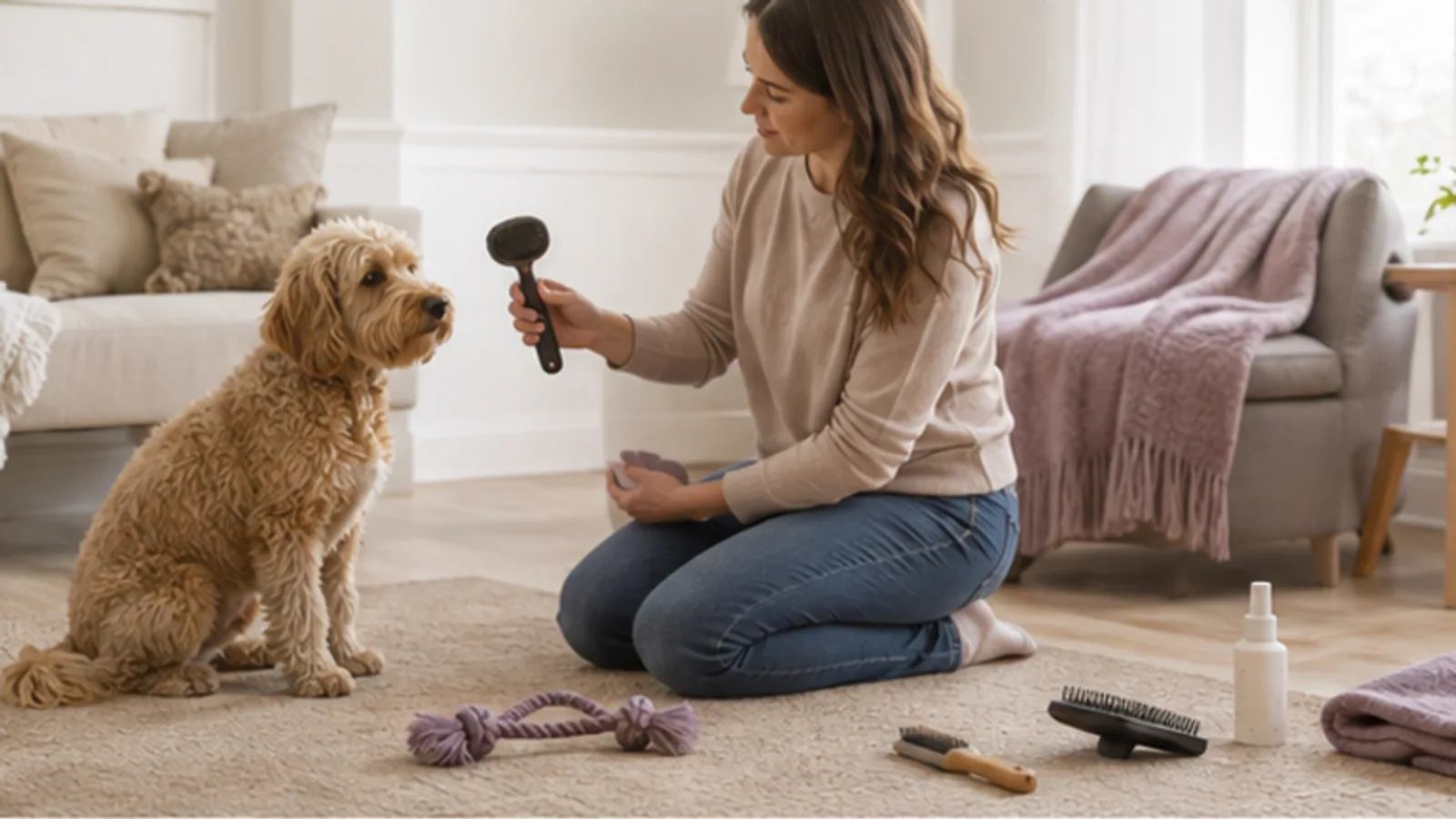
A shortlist shaped around the animal

Use this pet-fit profile as the entry ticket for every future SHC Pet product; catalogue breadth will never mean universal suitability.

Explore all SHC family ranges
Category decision guide

Choose for a clear everyday purpose

One purpose makes product evidence easier to compare and expectations easier to keep realistic.

Treat Your Pet decision guide, chapter 2 — visual context for Choose for a clear everyday purpose

Your Practical Checks

Name Main Purpose

See practical details

What job should a pet product do first?

Choose one primary job you can observe: provide a resting place, support a play routine, carry equipment for a walk, organise feeding, assist grooming or make travel setup clearer. A product may have other uses, but comparing everything at once makes suitability vague. The first job determines the measurements, materials, placement and supervision questions that matter most.

  • The purchase is described as generally good for the pet without a routine.
  • Several problems are expected to disappear because of one item.
  • The product duplicates equipment already serving the same primary job.
  • The intended place and frequency of use have not been identified.

One purpose makes product evidence easier to compare and expectations easier to keep realistic.

Match Product Conditions

See practical details

How does the primary job change the selection checklist?

Rest products need space, dimensions, materials and cleaning checks. Play products require attention to components, durability, supervision and wear. Walking and travel items depend on exact fit, handling and compatibility. Feeding and grooming products require appropriate materials, care and the pet’s response. Let the job decide the evidence rather than choosing from a generic list.

  1. Write the primary purpose in one sentence and remove unrelated promises.
  2. List the conditions that purpose creates: load, movement, contact, mess or storage.
  3. Check the exact dimensions, materials, components and intended use.
  4. Decide how the pet will be introduced and observed during first use.
  5. Keep a current item when it already performs the job appropriately.

Purpose-led checks show whether a new product adds real utility or only another object.

How do you judge value without promising a pet outcome?

Judge whether the product can be used as intended, fits the routine and remains practical to maintain. The animal may accept, avoid or use it differently from expectation, so observation matters. Value comes from a suitable role and repeatable use—not from claims that an accessory will automatically change behaviour, remove anxiety or create a guaranteed response.

  • The item adds a distinct function to an existing routine.
  • Household setup and pet introduction are planned before use.
  • Success is described through appropriate use, not a behavioural promise.
  • The product can be reassessed if the pet avoids or misuses it.
Category decision guide

Check materials, dimensions and care

Measure the pet and the place, then let material and care facts test everyday suitability.

Treat Your Pet decision guide, chapter 3 — visual context for Check materials, dimensions and care

Your Practical Checks

Measure Product Dimensions

See practical details

Which product facts matter after the colour and style?

Dimensions determine access and fit. Materials affect contact, cleaning and wear. Components influence supervision and replacement. Care instructions decide whether the household can maintain the item without damaging it. These facts should be tied to the exact product. Words such as premium, tough or easy-clean are not enough when the measurable or instructional detail is missing.

  • Size is shown only through photography without measurements or scale.
  • Material names, removable parts or washing limits are unclear.
  • The pet’s weight, reach or body dimensions are relevant but unmeasured.
  • Replacement parts or signs of material breakdown have not been considered.

Measure the pet and the place, then let material and care facts test everyday suitability.

Review Cleaning Needs

See practical details

How should measurements and maintenance be reviewed together?

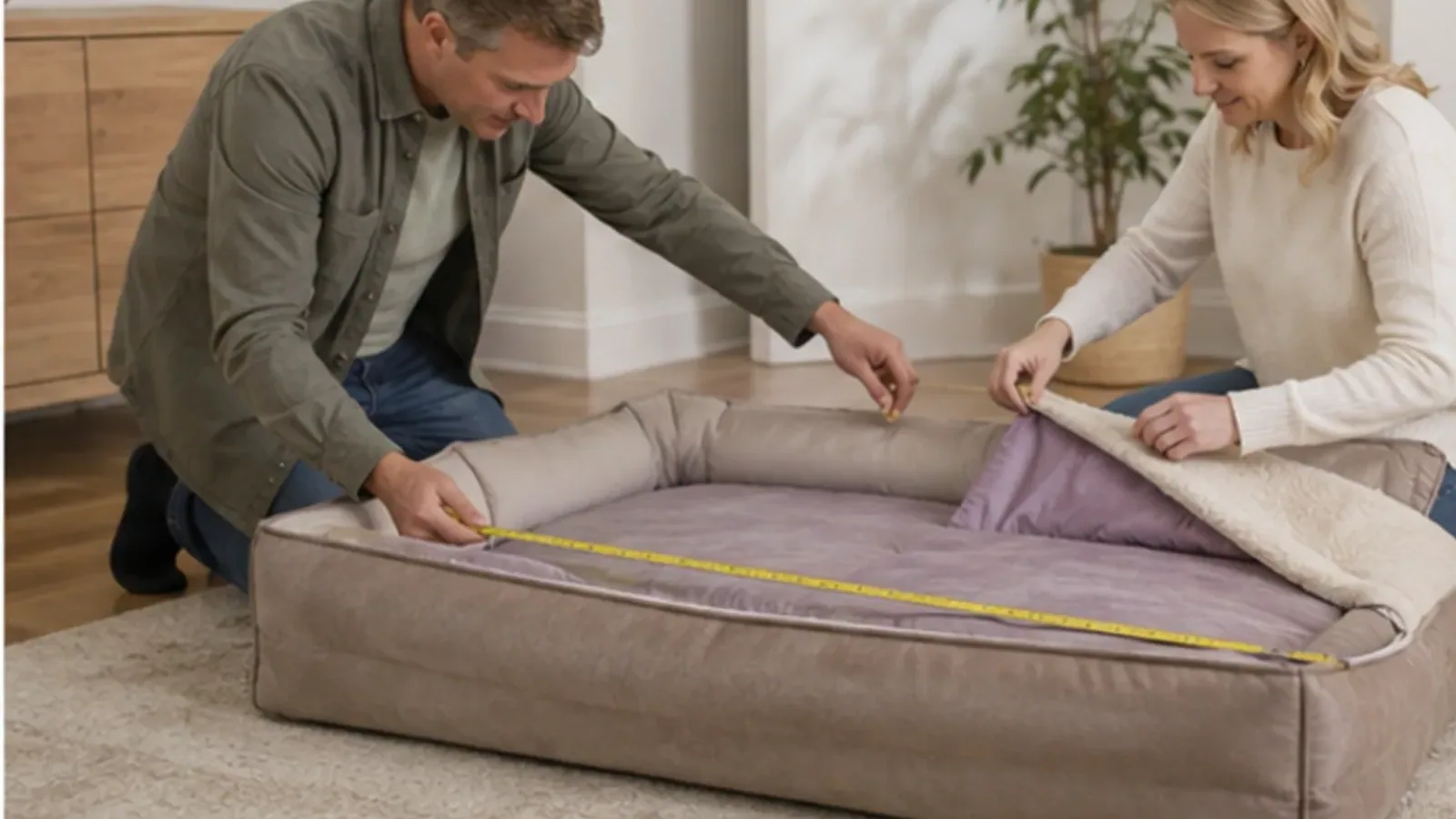
Take the measurements requested for that product type and compare them with exact internal and external dimensions where available. Check clearance, entry, movement and placement—not only footprint. Read material and care instructions before assuming a cleaning method. Identify seams, fasteners, removable pieces and high-contact areas that may need regular inspection.

  1. Measure the animal and intended area using the product’s relevant fit points.
  2. Check internal, external, assembled and folded dimensions where they affect use.
  3. Confirm materials and any known care or temperature restrictions in the instructions.
  4. Map routine cleaning, drying and reassembly to the person responsible.
  5. Inspect components and high-wear areas at a frequency suited to actual use.

A complete physical picture reveals effort, fit and replacement needs before first use.

What does a practical material-and-care fit look like?

The animal can use the item within its intended dimensions, the product fits its location and cleaning can follow the supported method. The owner knows which parts require inspection and what damage would end use. No product should be described as indestructible without evidence, and visible wear should never be ignored because a marketing label suggested exceptional durability.

  • Measurements support the intended posture, access, movement or carrying use.
  • Care steps fit the likely dirt, hair, moisture and use frequency.
  • Components can be checked and reassembled according to instructions.
  • Unsupported durability language is replaced by observable condition checks.
A product the home can maintain

Future Pet product pages will present supported specifications and care limits so you can compare physical fit without guessing from images.

Browse current SHC product pages
Category decision guide

Plan supervision and notice wear

Introduce slowly, watch what actually happens and make condition checks part of ownership.

Treat Your Pet decision guide, chapter 4 — visual context for Plan supervision and notice wear

Your Practical Checks

Observe Product Use

See practical details

Why should a pet product not be left to prove itself alone?

An animal may chew, pull, scratch, climb, hide in or avoid an item in ways the owner did not expect. Components can also loosen or change through use. Supervised introduction lets you observe contact, fit and handling, while routine inspection reveals damage. It does not guarantee safety, but it prevents an untested assumption from becoming the operating plan.

  • The pet has not used a similar material, shape or mechanism before.
  • Chewing, pulling or scratching could expose seams, fillings or small parts.
  • Children or other animals may interact with the product during use.
  • Wear is hidden by covers, joints or areas that are rarely inspected.

Introduce slowly, watch what actually happens and make condition checks part of ownership.

Check Product Condition

See practical details

What should happen during introduction and continued use?

Set up the product exactly as instructed and allow a calm, supervised first interaction. Observe access, posture, chewing, pulling, entanglement, avoidance and contact with surrounding objects. Afterwards, inspect the product. Continue checking high-stress points and clean components as directed. Remove the item when damage, missing parts or unsuitable use creates concern.

  1. Prepare the area and product according to the exact instructions.
  2. Supervise the introduction without forcing the animal to engage.
  3. Observe contact and movement rather than interpreting the pet’s motives.
  4. Inspect seams, fasteners, surfaces and components after use and cleaning.
  5. Stop use and seek suitable advice when condition or behaviour raises concern.

Observation turns a general supervision warning into a repeatable household responsibility.

What can regular observation and inspection improve?

It can help the owner notice that the product is being used differently from its intended role, that the fit has changed or that wear is developing. The correct response may be adjustment, closer supervision, replacement or removal. If the concern involves injury, illness, nutrition or behaviour, contact an appropriate veterinary or qualified professional rather than relying on an accessory page.

  • The pet’s actual use is compared with the product’s intended use.
  • Damage and missing components are acted on rather than normalised.
  • Supervision is increased when the setting or household interaction changes.
  • Product selection remains separate from veterinary diagnosis or treatment.
Earlier action when fit changes

Use the observe-check-remove cycle with every future Pet item and retain its exact instructions for continued reference.

Contact SHC about a product detail
Category decision guide

Explore the Pet range as it develops

A gradual range can remain honest when every new item passes the same fit and information checks.

Treat Your Pet decision guide, chapter 5 — visual context for Explore the Pet range as it develops

Your Practical Checks

Check Current Catalogue

See practical details

How is SHC keeping this empty category useful and accurate?

There are no published Pet product pages in the current catalogue. SHC therefore provides the selection framework without showing placeholder stock, invented prices or generic products. The category phrase covers future catalogue breadth across practical pet routines; it does not mean one product will suit all species or that every type of pet is currently represented.

  • No Pet product appears until its exact catalogue record is ready.
  • Future cards must connect to supported facts, images and limitations.
  • Each item will identify its own species, size and intended-use boundaries.
  • Live eBay availability will be checked separately from catalogue publication.

A gradual range can remain honest when every new item passes the same fit and information checks.

Read Helpful Journal

See practical details

What route will a future Pet purchase follow?

Begin with the pet profile and one everyday purpose. When a relevant product card is published, open its page to review dimensions, materials, care, supervision and limitations. Then read its offer state. A verified live listing may provide an exact eBay route; otherwise the page will direct you to check latest availability without presenting historic transaction terms as current.

  1. Define the animal, measurements, routine and intended purpose.
  2. Wait for a published card that matches those needs rather than category wording alone.
  3. Review the exact product evidence and first-use responsibilities.
  4. Check whether the product links to a current eBay offer or an availability search.
  5. Confirm seller, price, delivery and returns on eBay before purchase.

The route keeps selection evidence stable while time-sensitive offer facts remain current.

Where can pet owners go today without reaching a dead end?

Use Shop to compare SHC products or visit the SHC eBay store for current listings. You can also keep the pet-fit profile for a later visit. Do not choose a product from another category unless it genuinely solves the defined household need, and do not treat general content as a substitute for veterinary advice.

  • Shop gives one view of every product currently featured by SHC.
  • The eBay store shows current listings at the time you visit.
  • This guide remains ready for future Pet product comparisons.
  • Qualified advice remains the route for health, nutrition or behaviour concerns.
A clear alternative while the range grows

SHC will build the Pet range one well-defined product at a time, preserving species and use boundaries instead of manufacturing breadth.

Explore the complete SHC Shop