

Exact delivery terms on eBayEveryday essentials, selected with careNeed help? Talk to us
Right challenge, independence and home fit

Practical products for growing children aged 5–14

Choose around the child’s present interests, confidence and routine—not age alone. This guide helps UK parents and carers compare practical products for learning, creativity, active time and growing independence without promising outcomes that a product cannot guarantee.

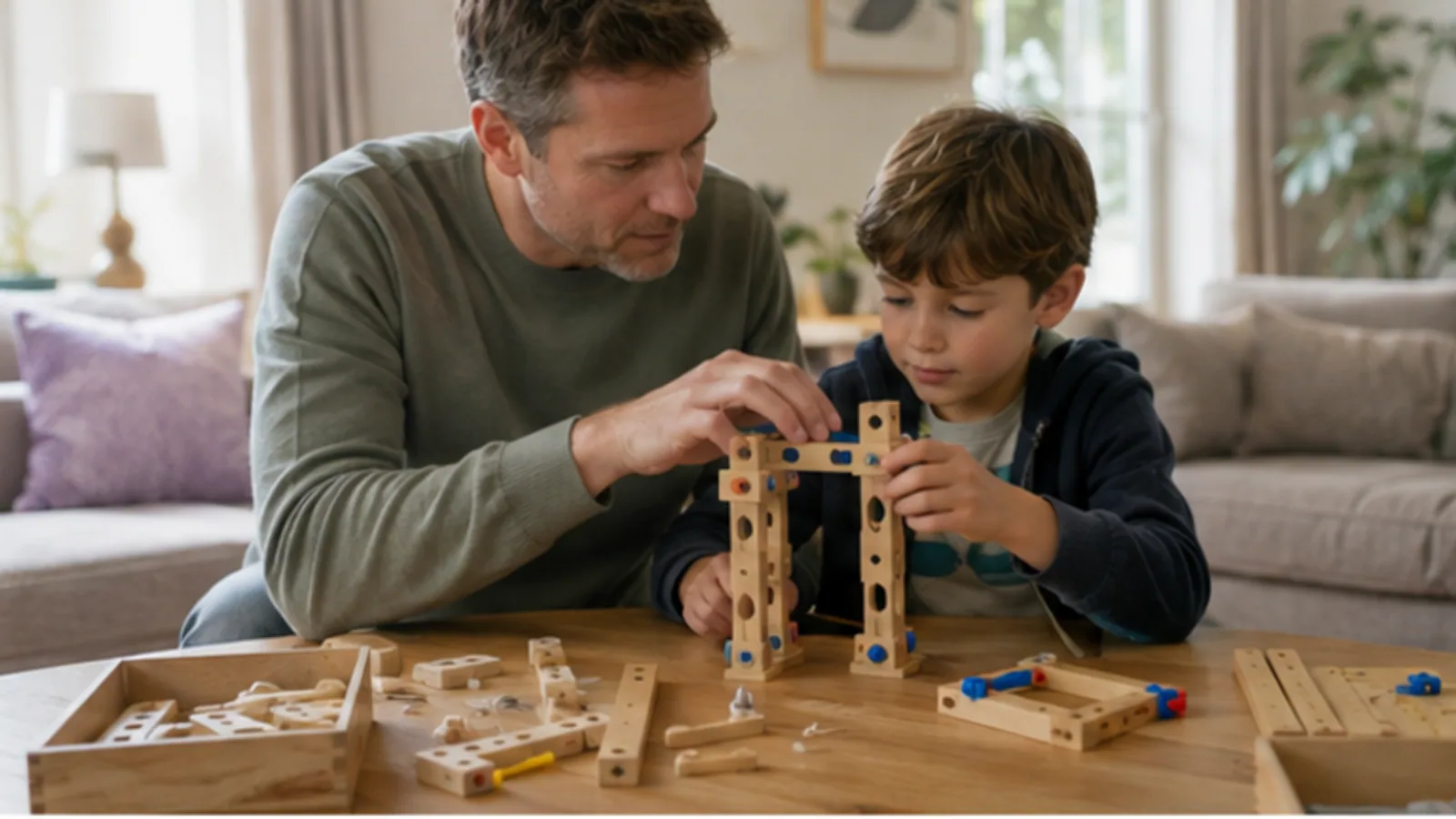
Parent and child building a wooden model together at home
Need-first selection

Products for this range are being selected

Use the buying guide while this range is prepared. We will only show products here when their details are ready to check.

Start the buying guide
Product shelf reserved

The Juniors product shelf is being prepared

No product is presented as available in this range today. The product shelf is ready and will populate automatically after a verified item passes the SHC publication checks.

Reserved Juniors product shelf with a learning and play editVerified products will appear here
Category decision guide

Choose for the stage, not only the age

A short stage profile turns the age label into a useful comparison rather than a shortcut.
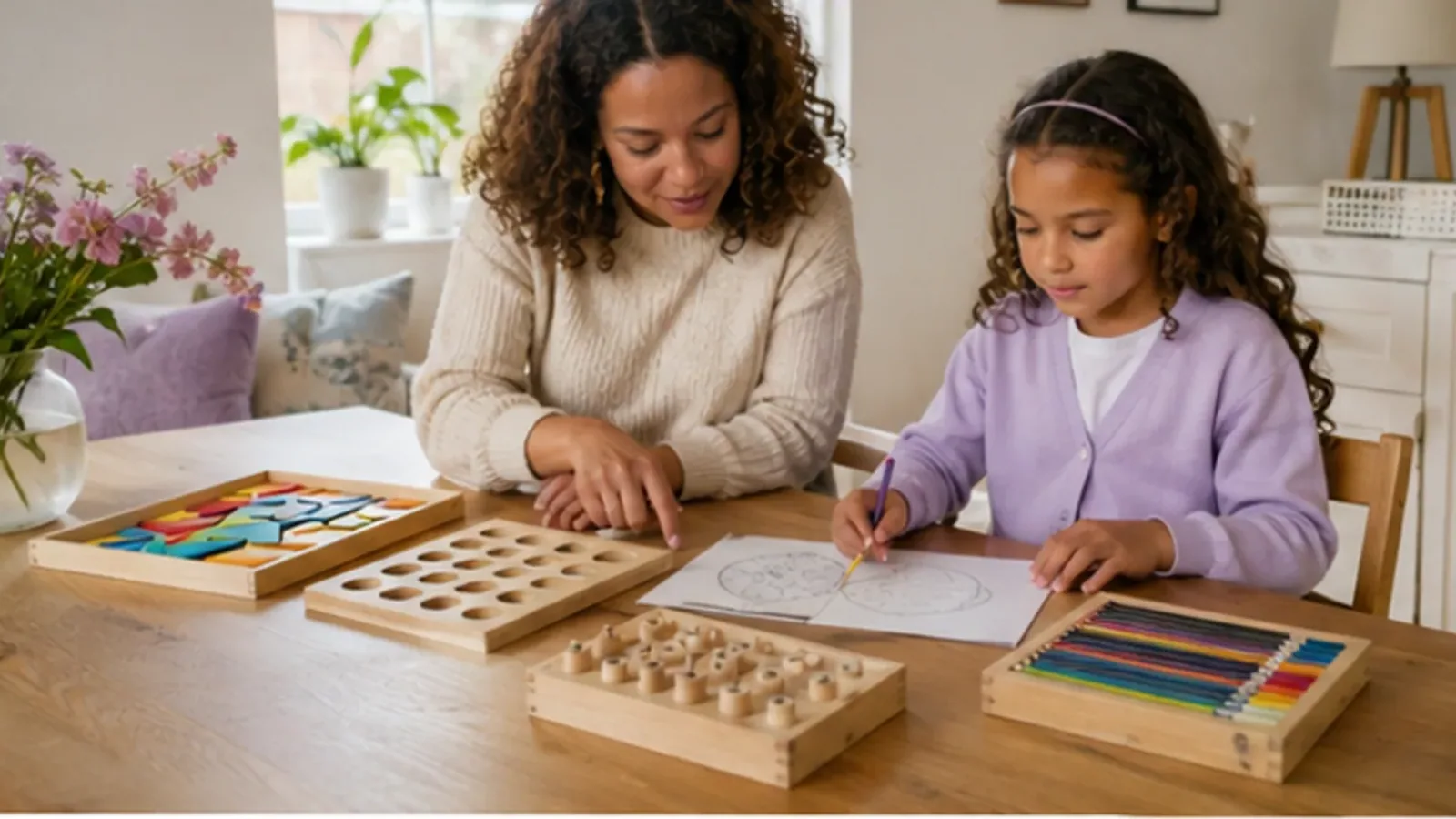
Power Up Juniors decision guide, chapter 1 — visual context for Choose for the stage, not only the age

Your Practical Checks

Profile Your Child

See practical details

Why can an age label only begin the decision?

Children of the same age may approach instructions, coordination, responsibility and independent use differently. Interests can also change faster than the number on a package. Age guidance helps define a boundary, but it cannot describe the exact child, the adult support available or the setting. Treat it as one input alongside ability, confidence, interest and intended use.

  • The product matches the age label but not the child’s current interest.
  • Instructions require more reading, coordination or patience than expected.
  • Independent use is assumed even though setup still needs adult help.
  • A younger or older sibling may change how and where the item is used.

A short stage profile turns the age label into a useful comparison rather than a shortcut.

Match Suitable Challenge

See practical details

What should you identify before opening product pages?

Describe the activity the child already enjoys or wants to try, the level of challenge that keeps them engaged and the help available at setup and during use. Add the home context: floor or table space, other children, storage and time. This profile keeps the choice centred on realistic use rather than an idealised version of growing up.

  1. Name the child’s present interest and a familiar related activity.
  2. Describe what they can begin alone and where they still ask for help.
  3. Choose a manageable challenge instead of the most advanced option available.
  4. Note who will explain, assemble, supervise or share the activity.
  5. Check the exact age guidance, instructions and components against that profile.

The profile shows whether a product fits today while leaving room for skills to grow naturally.

What does an appropriate stage fit look like at home?

The child should be able to understand the purpose, begin with the planned level of help and experience progress without the product depending on an unsupported promise. The adult should know when involvement is needed. A good shortlist balances interest and challenge with the practical reality of instructions, components, space and supervision.

  • The product connects with a present interest rather than a hoped-for identity.
  • The starting challenge is clear and adult support is realistic.
  • Age guidance is respected without assuming universal ability at that age.
  • The household can provide the time and setting needed for repeat use.
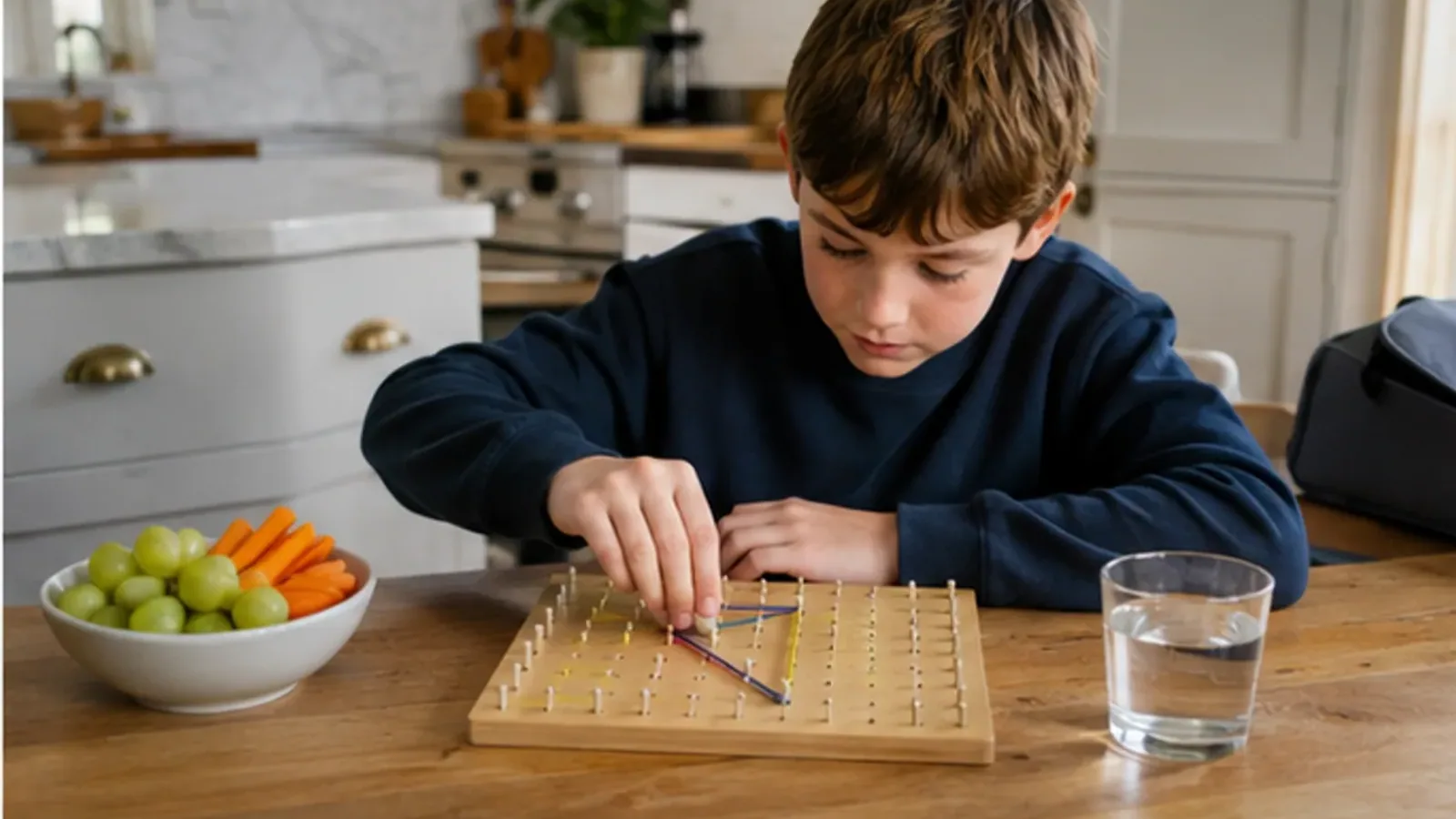
A challenge they can return to

Keep this child-and-context profile beside you as Juniors products are added; it gives every feature a meaningful test.

See all SHC family ranges
Category decision guide

Match products to real routines

Choose the routine first, then ask whether the product can enter it with reasonable effort.

Power Up Juniors decision guide, chapter 2 — visual context for Match products to real routines

Your Practical Checks

Define Product Role

See practical details

When does an interesting product become part of family life?

It becomes useful when there is a believable moment for it: a quiet table after school, creative time at the weekend, active play in an available space, an organised travel routine or a small responsibility the child can practise. Without that moment, even an appealing product can remain unopened, forgotten or used once before the routine moves on.

  • The activity has no regular time, surface or space in the week.
  • Setup takes longer than the period the child usually has available.
  • The product competes with a familiar activity without offering a clear new role.
  • Adult help is required at a time when the adult is rarely free.

Choose the routine first, then ask whether the product can enter it with reasonable effort.

Plan Storage

See practical details

How do you compare learning, play and independence products without vague claims?

Give the product one observable role. It might organise materials, support a creative activity, enable movement, make travel easier or help the child manage a simple task. Then check how the role begins, how long a typical session lasts and what must happen afterwards. Avoid treating a purchase as proof of learning, development or lasting enthusiasm.

  1. Select one use case: learning, making, active play, travel or practical independence.
  2. Place it in a real day and name the likely start and finish point.
  3. Estimate setup, adult involvement, cleanup and reset for the next use.
  4. Check whether the child can see and understand the product’s immediate purpose.
  5. Reject educational or developmental promises that are not specifically evidenced.

A product with a clear routine role is easier to assess than one carrying a broad promise.

What should the routine-role match help you decide?

You should know when the product is likely to come out, who starts the activity, what space it needs and how it is put away. This does not guarantee long-term interest. It does reveal whether the household can support the first and repeated uses, and whether the product adds a distinct activity instead of duplicating what already works.

  • A named moment in the week supports the planned activity.
  • Setup and clearing away fit the time that is genuinely available.
  • Adult help is planned rather than silently assumed.
  • The product has a distinct job that can be observed without inflated outcomes.
Use that fits the household rhythm

Use the routine role to compare future Juniors products, then read each exact page for supported features and limits.

Compare products in Shop
Category decision guide

Check challenge, setup and supervision

Treat the first session as a setup plan, not a test the child must pass alone.

Power Up Juniors decision guide, chapter 3 — visual context for Check challenge, setup and supervision

Your Practical Checks

Plan First Session

See practical details

What can make a promising activity fail before it begins?

Missing parts, unclear instructions, unexpected assembly, too many simultaneous steps or no suitable work area can turn curiosity into frustration. Supervision may also be needed for small components, tools, movement or shared spaces. These are not minor details. They determine whether the child can begin safely and confidently with the support that is actually available.

  • The number, size or purpose of components is unclear from the listing.
  • Assembly and first-time setup are confused with independent everyday use.
  • The activity requires a surface, clearance or protection that is not ready.
  • Adult supervision is described generally but not planned for the real setting.

Treat the first session as a setup plan, not a test the child must pass alone.

Set Clear Boundaries

See practical details

Which checks make challenge and supervision more predictable?

Read the instructions before the child starts where possible. Lay out the parts, identify any adult-only steps and choose a space that supports the activity without household conflict. Begin with the simplest supported task. Observe where help is requested, then reduce involvement only when the product instructions and the child’s use make that appropriate.

  1. Confirm contents, required extras, assembly, charging or preparation before use.
  2. Choose a surface or area with enough room for the product and the child.
  3. Separate adult setup responsibilities from steps the child may complete.
  4. Begin at the clearest supported level rather than skipping to advanced features.
  5. Review first use for confusion, unsuitable challenge or supervision needs.

A planned beginning turns supervision into useful support instead of last-minute correction.

How can a product support independence without promising it?

The product can make responsibilities and steps clear, but the child’s independence develops through use and context, not through purchase alone. A good fit lets the adult explain the boundary, provide help where needed and observe whether the child can repeat the activity. Instructions and product limits remain in force as confidence grows.

  • The child knows what the product is for and how the activity starts.
  • Adult-only and shared steps are identified before use.
  • Challenge can be adjusted within the product’s supported design.
  • Supervision changes through observation, not an assumption based only on age.
Independence with visible boundaries

When a Juniors product appears, check its exact component list, instructions and supervision notes before treating it as an independent activity.

Learn how SHC presents product limitations
Category decision guide

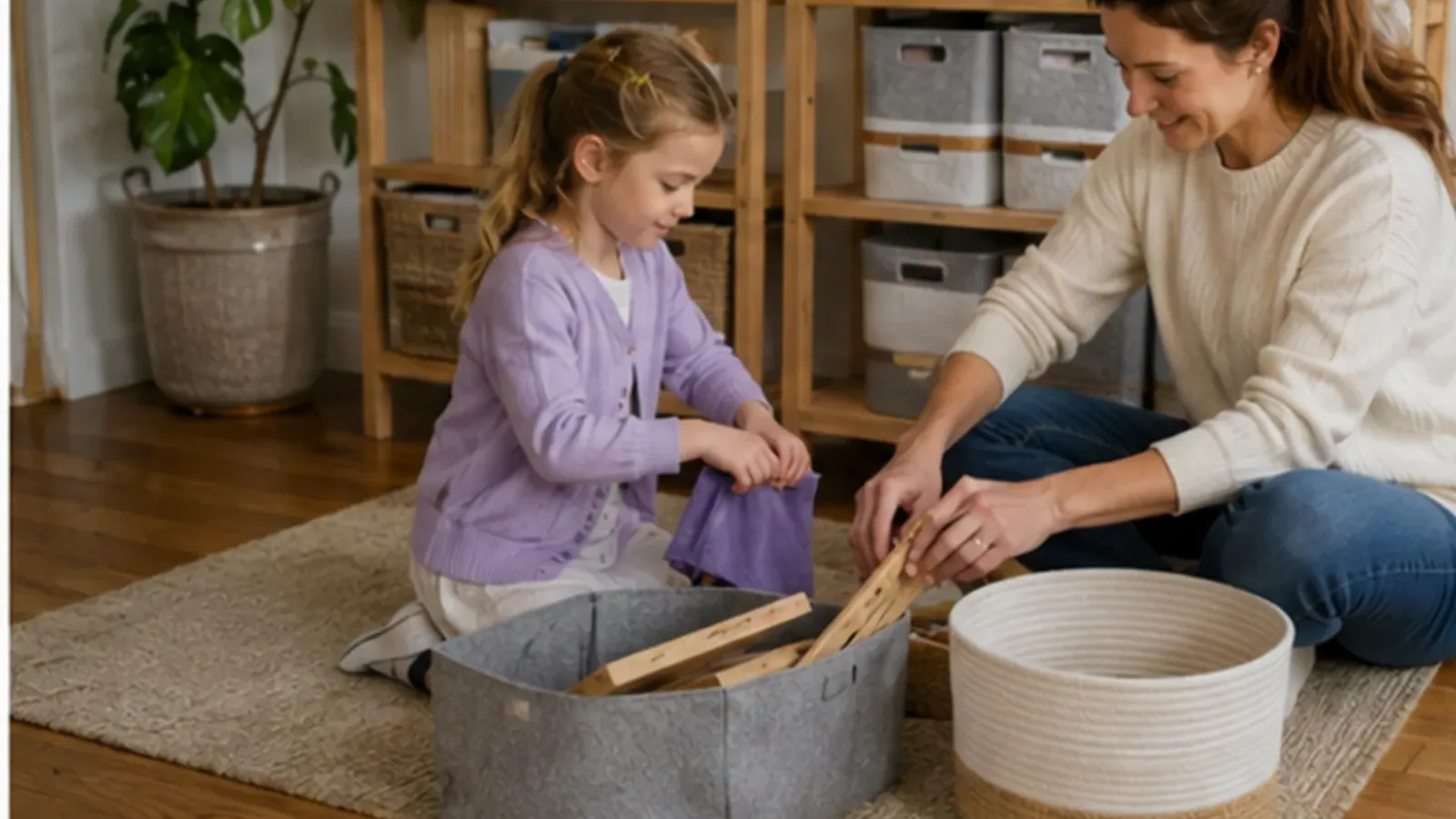
Plan for storage, care and repeat use

A repeat-use plan begins with the end of the first session and works backwards.

Power Up Juniors decision guide, chapter 4 — visual context for Plan for storage, care and repeat use

Your Practical Checks

Plan Product Storage

See practical details

Why do storage and care affect whether a product is used again?

If pieces are hard to find, charging is forgotten, materials are difficult to clean or the product blocks shared space, returning to the activity takes more effort. Children may be able to help with resetting and care, but that depends on the design and routine. Repeat use grows from an easy return path, not from novelty alone.

  • Loose components have no labelled or reachable home after use.
  • Cleaning, drying or charging delays the next session unexpectedly.
  • The product is stored out of sight because its assembled size was overlooked.
  • Replacement, wear or missing-part guidance is unavailable or ignored.

A repeat-use plan begins with the end of the first session and works backwards.

Check Maintenance

See practical details

What makes a product easy to bring back into use?

Identify how the activity ends: count pieces, wipe surfaces, recharge, fold, disassemble or return the item to storage. Give each essential component a place. Decide which reset tasks the child can reasonably share and which remain an adult responsibility. Check material care and replacement information so convenience never depends on damaging the product.

  1. List the steps needed to finish, clean and reset the activity.
  2. Measure storage using the folded or assembled state that will actually be kept.
  3. Keep essential parts together and make missing components easy to notice.
  4. Assign child and adult reset tasks that suit the real routine.
  5. Check wear, care and replacement guidance before continued use.

When resetting is simple and visible, the next use starts with less friction.

What can you reasonably expect from a strong reset plan?

You cannot guarantee that interest will last, but you can remove avoidable barriers. The product remains complete, ready and easier to find. Care becomes part of the routine instead of a surprise for the adult. If interest fades, good condition and organised parts also make it easier to store, pass on or reassess responsibly.

  • The product has a realistic home between uses.
  • Cleaning and charging fit the person responsible for them.
  • Parts remain complete enough for the intended activity.
  • Wear or declining interest can be noticed before the item becomes forgotten clutter.
Category decision guide

Explore Juniors products as they arrive

The range can grow gradually without turning an empty category into a dead end.

Power Up Juniors decision guide, chapter 5 — visual context for Explore Juniors products as they arrive

Your Practical Checks

Check Product Details

See practical details

What can this category offer before products are published?

It offers a stable selection method and an honest route to what is available elsewhere on SHC. There are no published Juniors products in the current catalogue. No card, quantity or buy prompt is shown here to suggest otherwise. The page is ready so future items can be organised around stage, routine, setup and repeat use from their first appearance.

  • No current Juniors product is represented by a placeholder card.
  • Future publication requires supported product identity, content and images.
  • A catalogue page and a live eBay offer will remain separate states.
  • The exact listing will control current price, delivery and returns.

The range can grow gradually without turning an empty category into a dead end.

Browse Current Shop

See practical details

How will you know when there is something relevant to explore?

A product card will appear only after the catalogue page is published with clear supported facts, fit guidance and limitations. The card will lead to that page, not directly to an assumed transaction. From there, the offer label will show whether an exact eBay listing has been freshly verified or whether you should check the store for latest availability.

  1. Return with a child-and-context profile and one routine role in mind.
  2. Look for a published card that matches that use rather than the broad age band.
  3. Open the product page and review challenge, setup, supervision and care.
  4. Read the offer state before following any purchase route.
  5. Confirm final terms on the exact eBay listing at the time of purchase.

Clear product checks keep new additions useful and availability wording accurate.

Where should you go if the Juniors range is empty?

Browse the SHC Shop to compare the products currently featured, visit the SHC eBay store for current listings or choose another category when the household need belongs there. Do not substitute an unrelated item simply to complete a purchase. Your stage and routine profile remains useful when the right Juniors product arrives.

  • Shop shows the featured products and accurate availability labels.
  • The eBay store is the place to check current SHC listings.
  • Other category guides can help when the need is household-wide.
  • This page remains the home for future ages 5–14 commercial selection.
Useful next steps today

The Juniors range will expand around real use cases, with no pressure to treat catalogue growth as a reason to buy.

Explore the complete SHC Shop